Introduction
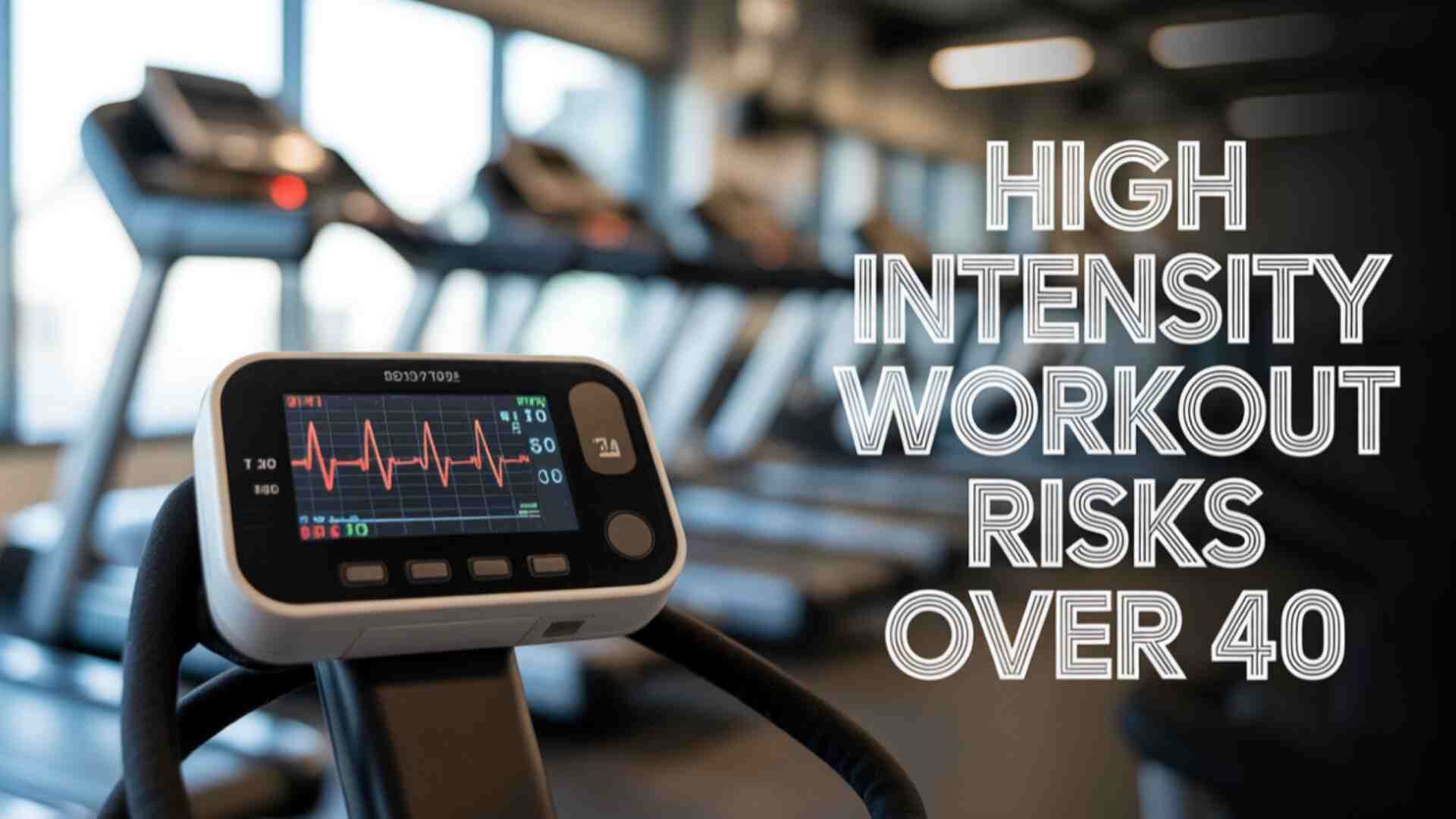
Engaging in regular physical activity is essential for healthy aging, but the popularity of high-intensity workouts often overshadows their potential dangers for individuals over 40. Understanding how the body changes with age and the unique risks associated with these workouts can help guide safer, smarter exercise choices.
Why the Risk Increases After 40
As the body ages, several changes impact exercise tolerance and safety:
• Muscle mass and bone density gradually decline, increasing the risk of strains, fractures, and other musculoskeletal injuries.
• The cardiovascular system may become less flexible, with arteries stiffening and cardiac output naturally reducing.
• Recovery times lengthen, and the risk of overtraining grows because muscles and connective tissues need more time to heal.
Studies suggest that these physiological changes make high-intensity interval training less suitable for older adults, particularly those unaccustomed to regular exercise or with underlying health issues.
Research and Statistics: Risks Highlighted
• Injury rates among individuals over 40 participating in HIIT-based programs are higher compared to moderate-intensity regimens, with increased reports of muscle and joint injuries.
• One systematic review found that while HIIT could improve cardiorespiratory fitness, it did not significantly outperform moderate-intensity exercise for older adults and often resulted in more adverse events.
• Cardiovascular risks, such as arrhythmias or abnormal blood pressure responses, may be elevated when older exercisers exceed their usual intensity or for those with undiagnosed cardiac conditions.
Expert Perspectives and Testimonials
• Medical experts caution that sudden engagement in high-intensity routines can be especially hazardous, emphasizing the need for pre-screening and professional guidance.
• Fitness trainers specializing in older adults often recommend substituting high-impact movements with controlled, low-impact exercises to reduce injury risk while maintaining health benefits.
• “Older adults should prioritize consistency and joint health over maximal exertion,” notes a senior fitness physiologist, highlighting the importance of building resilience through safer exercise.
Safer Exercise Alternatives for Those Over 40
• Moderate-intensity aerobic activities (like brisk walking, cycling, or swimming) offer substantial health benefits with reduced risk.
• Resistance training at lower loads is effective for maintaining muscle strength and combating age-related decline without demanding extreme effort.
• Flexibility and balance routines (e.g., yoga, Pilates) are ideal for guarding against falls, preserving joint mobility, and aiding recovery between more intense sessions.
Conclusion
While high-intensity workouts can be tempting for their fast results, adults over 40 are better served by sustainable, moderate routines that support long-term health and minimize injury risk. Awareness of age-related changes, reliance on expert advice, and a commitment to enjoyable, regular activity are key to achieving fitness safely after 40.
Resources:
1. https://www.ej-med.org/index.php/ejmed/article/download/1224/738
2. https://pmc.ncbi.nlm.nih.gov/articles/PMC8289951/
3. https://onlinelibrary.wiley.com/doi/pdfdirect/10.1111/sms.14573
4. https://pmc.ncbi.nlm.nih.gov/articles/PMC9099943/
5. https://pmc.ncbi.nlm.nih.gov/articles/PMC3538475/
6. https://academic.oup.com/ije/article/doi/10.1093/ije/dyae074/7687204
7. https://academic.oup.com/innovateage/article-pdf/3/2/igz020/29006624/igz020.pdf
8. https://pmc.ncbi.nlm.nih.gov/articles/PMC4627287/
Latest Post
-

-

Low-Impact vs No-Impact: What People 40+ Should Know
November 29, 2025 -

Signs Your Body Can’t Handle High-Intensity Workouts
November 26, 2025 -

20-Minute Home Workout for Busy Professionals Over 40
November 23, 2025 -

Best Low-Impact Fat Loss Exercises for Adults 40–65
November 23, 2025 -

Why High-Intensity Workouts Are Dangerous After 40
November 23, 2025 -
Beginner’s Low-Impact Workout Plan for Adults Over 40
November 21, 2025 -
Acid Reflux and Natural Remedies
November 17, 2025 -

Fitness Over 40 & Chair Yoga Workouts as Remedy
November 13, 2025 -
Multivitamins for Thyroid Support in India
November 7, 2025
