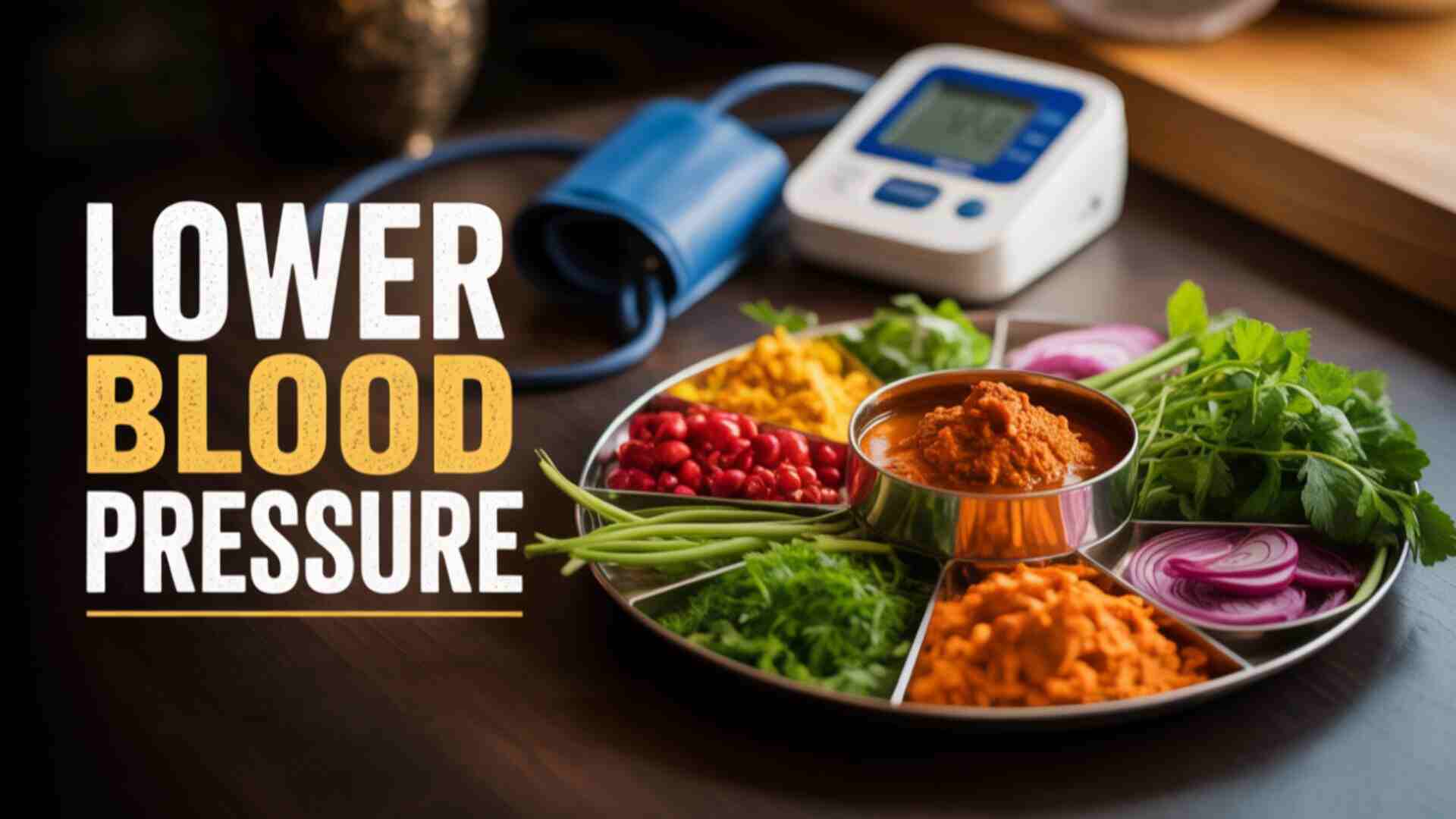
Introduction
Hypertension, or high blood pressure, stands as one of India’s most common health concerns, silently impacting millions from all walks of life. While often overlooked, sustained high blood pressure increases the risk of heart attacks, strokes, and kidney problems—a reality that calls for practical, accessible solutions. Fortunately, traditional Indian foods and movement practices offer powerful tools to manage and prevent hypertension. This guide brings together dietary recommendations, fitness tips, and lifestyle changes rooted in authentic sources and tailored for Indian contexts, making hypertension care engaging and actionable for everyone.[5][6]
Dietary Recommendations
Foods to Include
• Leafy Greens & Vegetables
Spinach, Swiss chard, bottle gourd (lauki), and other vegetables are rich in potassium and magnesium—minerals that help lower blood pressure. Dishes like vegetable poha or upma with added greens are both delicious and heart-friendly.[7][3]
• Whole Grains+
Oats, brown rice, barley, jowar, bajra, and millets make up the foundation of a healthy Indian plate. Oats chilla and ragi dosa are excellent low-sodium breakfast options. These grains are high in fiber, which supports healthy cholesterol and blood pressure.[8][3]
• Lentils and Pulses
Moong dal, besan (chickpea flour), masoor dal, and rajma (kidney beans) all pack protein and potassium, both supporting BP management. Moong dal chilla and besan cheela are easy to prepare and provide plant power.[3][9]
• Low-Fat Dairy
Prefer low-fat milk, dahi (curd), and paneer. These are less likely to contain harmful saturated fats but offer calcium needed for vascular health.[10]
• Fresh Fruits
Bananas, oranges, papayas, and guavas are all loaded with potassium. Including fresh fruit in breakfast or as snacks is a tasty way to keep BP in check.[11][1]
• Nuts and Seeds
Almonds, walnuts, flaxseeds, and pumpkin seeds offer heart-healthy fats, magnesium, and potassium. Eat them as snacks or sprinkle onto curries and salads.[1]
• Coconut Water
This refreshing drink is a potassium-rich natural remedy for high blood pressure. Replace sugary sodas or packed juices with fresh coconut water for a delicious, health-boosting alternative.[2]
• Heart-Healthy Indian Spices
Turmeric (haldi) and fenugreek (methi) are rooted in Indian cooking traditions and may aid in reducing inflammation and supporting the circulatory system. These spices add flavor and boost heart health.[12][2]
Foods to Avoid
• Excess Salt
Common Indian practices—adding salt to lassi, chutneys, or fruits—can quietly increase sodium levels. Aim to skip added salt in prepared dishes and favor natural herbs and spices for taste.[10][1]
• Processed Foods
Snack foods, pickles, papads, packaged soups, and instant mixes often contain hidden sodium and unhealthy fats. Limit their use and opt for fresh, home-cooked meals.[9][10]
• Fried Foods
Bhujias, samosas, and deep-fried pakoras should be occasional treats, not daily staples. They increase saturated and trans fats intake, raising blood pressure.[11][10]
• Full-Fat Dairy Products
Ghee, malai, full-cream milk, and butter are high in saturated fat. Choose low-fat alternatives where possible.[10]
Fitness Tips
Recommended Exercises
Staying active is crucial for managing hypertension, and Indian lifestyles offer many practical routines :[4][13][14]
• Walking & Brisk Walking
A simple but effective activity. A brisk 30-minute walk five days a week is proven to lower systolic and diastolic blood pressure. Choose parks, your neighborhood, or even walk inside your home.[13][4]
• Cycling
Low-impact exercise accessible indoors or outdoors. Regular cycling improves heart health and endurance.[4]
• Yoga & Meditation
Yoga postures like Child’s Pose (Balasana), Seated Forward Bend (Paschimottanasana), and Legs Up the Wall (Viparita Karani) help relieve stress and promote circulation. Deep breathing (pranayama) and meditation further reduce BP by calming the nervous system.[15][4]
• Strength Training
Bodyweight exercises—squats, lunges, push-ups—help build muscle and improve metabolism. Resistance bands are convenient for home routines without heavy equipment.[4]
• Dancing
Whether it’s Bollywood-style, Zumba, or folk dances, moving with rhythm keeps exercise fun and sustainable. Try dancing at home with family members.[4]
Daily Activity Suggestions
• Take the stairs, not the lift, whenever possible.
• Practice gentle stretches and yoga before or after work.
• Do basic household chores like sweeping or mopping vigorously.
• Stand and do simple calf or arm exercises during TV commercial breaks.
• Engage in group walks or “walk-and-talk” sessions with friends.
Lifestyle Changes
• Weight Management
Maintaining a healthy body weight through balanced nutrition and regular exercise positively impacts blood pressure.[16]
• Limit Alcohol & Tobacco
Reduce alcohol intake and avoid smoking—both have direct negative effects on blood pressure and cardiovascular health.[16]
• Stress Management
Indian traditions recommend meditation, mindfulness, and spiritual practices for mental wellbeing. Choose activities such as guided imagery, deep breathing, or devotional singing to lower stress levels.[16][4]
• Sleep Hygiene
Prioritize 7–8 hours of restful sleep. Irregular sleep cycles can worsen hypertension and hinder recovery.[16]
• Monitor Blood Pressure
Regularly check BP at home or with community health workers—early awareness supports better management.[17]
Cultural Considerations
Indian dietary practices vary by region, religion, and family tradition. Managing hypertension does not mean abandoning one’s cultural roots—small tweaks to familiar foods and preparation methods can yield significant benefits:
• Replace white rice with brown rice or millets.
• Choose home-made spice blends over store-bought masalas.
• When attending social gatherings, serve low-salt raita, salads, fruit chaat, and steamed snacks.
• Consider traditional fasting practices carefully—consult health professionals about safe modifications for those with hypertension.[16]
Community awareness is growing, but some groups are still underserved, especially in rural and tribal India. Improving healthcare access and health education can help reduce hypertension prevalence in these areas.[17]
Conclusion
Hypertension may be common, but it’s not unbeatable. The ultimate Indian diet and fitness guide for hypertension shows that small, culturally relevant changes—choosing potassium-rich vegetables, enjoying whole grains and lentils, staying active with yoga and walking, and practicing wellness techniques—can powerfully support heart health. Embrace the unique flavors and activities of Indian culture while prioritizing long-term wellness. Regular monitoring, family support, and ongoing education bring lasting results for everyone.
All recommendations are based on reputable, up-to-date sources and tailored for ease of adoption by the general Indian public and health enthusiasts.[6][7][3][9][13][1][11][4][16]
Resources
1. https://pmc.ncbi.nlm.nih.gov/articles/PMC10953904/
2. https://pallaviqslimfitness.com/blog/indian-diet-for-high-blood-pressure/
3. https://www.ndtv.com/health/10-desi-breakfast-foods-that-can-improve-high-blood-pressure-8994201
4. https://www.medkart.in/blog/exercise-for-high-blood-pressure
5. https://pmc.ncbi.nlm.nih.gov/articles/PMC4011565/
7. https://www.ckbhospital.com/blogs/high-blood-pressure-diet-chart
8. https://www.drkarthigesanclinic.com/indian-diet-chart-for-heart-patients/
9. https://bpincontrol.in/blood-pressure-guide/an-indian-diet-plan-for-high-blood-pressure/
10. https://idaindia.com/wp-content/uploads/2020/11/Hypertension-Toolkit-2020.pdf
11. https://sprintmedical.in/blog/indian-diet-chart-for-high-blood-pressure
12. https://www.healthline.com/nutrition/herbs-to-lower-blood-pressure
13. https://www.acko.com/health-insurance/health-guides/best-exercises-for-high-blood-pressure-patients/
14. https://pmc.ncbi.nlm.nih.gov/articles/PMC4967448/
15. https://nams-india.in/anams/2010/46(1)/Sanjay Wadhwa.pdf
16. https://pmc.ncbi.nlm.nih.gov/articles/PMC11556570/
17. https://ijmr.org.in/addressing-hypertension-among-tribal-people-of-india/
18. https://www.nin.res.in/downloads/DietaryGuidelinesforNINwebsite.pdf
19. https://www.kauveryhospital.com/blog/heart-health/south-indian-diet-plan-for-heart-patients/
20. https://www.nhlbi.nih.gov/files/docs/public/heart/new_dash.pdf
Latest Post
-

-

Low-Impact vs No-Impact: What People 40+ Should Know
November 29, 2025 -

Signs Your Body Can’t Handle High-Intensity Workouts
November 26, 2025 -

20-Minute Home Workout for Busy Professionals Over 40
November 23, 2025 -

Best Low-Impact Fat Loss Exercises for Adults 40–65
November 23, 2025 -

Why High-Intensity Workouts Are Dangerous After 40
November 23, 2025 -

Beginner’s Low-Impact Workout Plan for Adults Over 40
November 21, 2025 -
Acid Reflux and Natural Remedies
November 17, 2025 -

Fitness Over 40 & Chair Yoga Workouts as Remedy
November 13, 2025 -

Multivitamins for Thyroid Support in India
November 7, 2025
