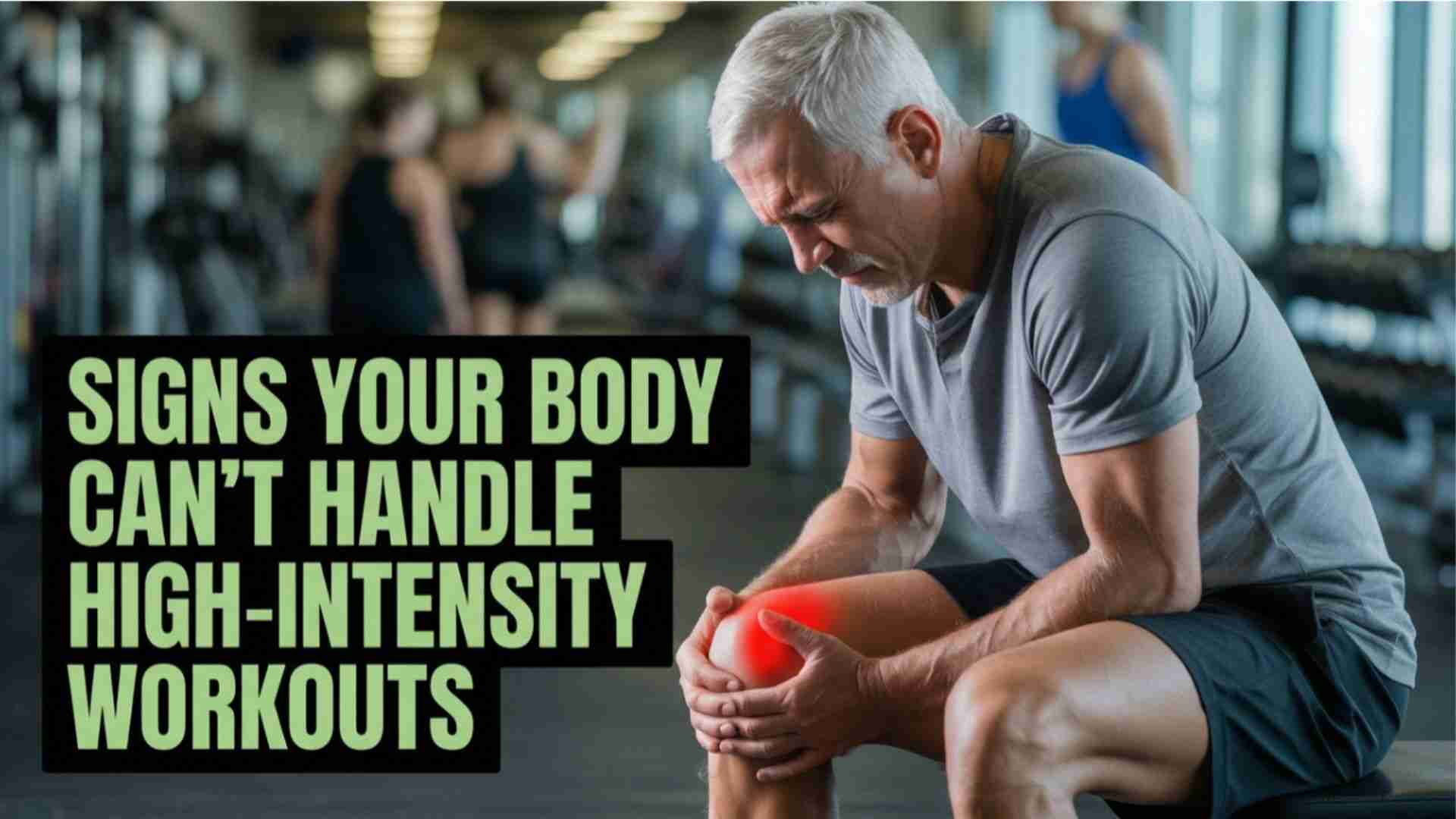
Introduction: When “Hard Work” Becomes Too Much
High-intensity training pushes your heart, muscles, and nervous system close to their limits, which is why it can improve fitness quickly when used wisely. But when intensity or frequency is too high, or recovery is too little, the body shifts from adapting to breaking down, a state often called overreaching or, in more severe cases, overtraining syndrome. Instead of getting fitter, you may feel more exhausted, weaker, and mentally drained, even though you are “doing everything right.”
Sign 1: Deep, Persistent Fatigue (Not Just “Normal Tired”)
Feeling tired during or right after a tough workout is normal, but if you feel completely wiped out for 24–72 hours, struggle to get through normal daily tasks, or need far more sleep than usual, your nervous and hormonal systems may be overloaded. Research on overtraining shows that chronic fatigue and a persistent sense of “heavy legs” or lack of energy, even after easy sessions, are key red flags that training stress is outpacing recovery. This type of fatigue often feels different from usual tiredness—it is more like your whole body is “dragging,” even after rest days.
Sign 2: Performance Drops Even Though You’re Training Hard
One of the clearest signs your body cannot handle your current intensity is when performance gets worse, not better. Studies on overtraining describe athletes who suddenly cannot hit their usual pace, struggle with weights that used to feel easy, or feel breathless much sooner, despite maintaining or increasing their training volume. If you notice workouts feel harder, your speed or strength is declining, or warm-ups feel like full workouts, your body may be signaling that it needs a reduction in intensity, not more effort.
Sign 3: Soreness That Lingers for Days
Mild muscle soreness after unfamiliar or intense exercise is normal and usually improves within 24–72 hours as your muscles repair. However, ongoing, intense soreness that lasts longer than three days, or pain that gets worse instead of better, can indicate that your tissues are not fully recovering between sessions. Research on excessive training notes that chronic muscle pain, frequent strains, and a “constant ache” feeling are common when training load stays high while recovery is insufficient. Sharp, localized pain—especially in joints or tendons—should be treated as a stop sign, as it can signal developing overuse injuries.
Sign 4: Trouble Sleeping Despite Feeling Exhausted
High-intensity workouts should, in theory, help you sleep better over the long term, but when your nervous system is overstressed, the opposite often happens. Reviews of overtraining syndrome report that difficulty falling asleep, restless sleep, or waking up frequently at night are frequent complaints, even when people feel overwhelmingly tired. This happens because excessive training can disturb hormones like cortisol and the autonomic nervous system, keeping your body in a “wired but tired” state that makes quality sleep harder to achieve.
Sign 5: Mood Changes, Irritability, Or Loss of Motivation
Your brain is just as affected by training stress as your muscles. Overtraining research consistently notes mood disturbances such as irritability, anxiety, feeling “on edge,” or unusually low mood in people who push too hard for too long. You might notice that workouts you used to enjoy now feel like a chore, or you lose the desire to train at all, which can be a psychological sign that your body and mind are overloaded. Some studies suggest that these mood changes are linked to stress hormones and inflammation, showing that mental symptoms are not “all in your head” but part of how your body signals overload.
Sign 6: Frequent Illness, Colds, Or Infections
High-intensity training in the right dose can support immune health, but repeatedly pushing beyond your capacity can temporarily weaken your immune defenses. Research on heavy training loads shows that immune markers can become imbalanced, and people may experience more frequent colds, sore throats, or infections when they do not allow enough recovery. If you keep getting sick, take a long time to shake minor illnesses, or always feel “on the verge” of catching something, it may be a sign that your current workout intensity is too much for your immune system.
Sign 7: Elevated Resting Heart Rate Or Unusual Heart Responses
Your heart is a powerful indicator of how well your body tolerates training. In some cases of overtraining, resting heart rate is higher than usual, or heart rate during easy exercise feels unusually fast, indicating that your body is under stress even at low effort. Some research also notes altered responses to standardized exercise tests—like a blunted heart rate or hormonal response—which suggests the body’s regulatory systems are struggling to adapt. If you notice your morning heart rate climbing over time, or your heart “pounding” during normal activities, especially if you are over 40 or have risk factors, it is important to reduce intensity and check in with a healthcare provider.
Sign 8: Appetite Disruption And Unintended Weight Changes
You might expect intense exercise to always increase appetite, but in states of high stress or overtraining, some people actually lose their hunger signals. Studies of heavy training loads describe changes in appetite, poor interest in food, and sometimes unintended weight loss due to a combination of high energy expenditure and reduced intake. On the other hand, some people may crave more high-sugar or high-fat foods when exhausted, leading to weight gain despite intense training. Sudden appetite shifts or unexplained weight changes, especially alongside fatigue and mood changes, can indicate your current regimen is too demanding.
Sign 9: Hormonal And Menstrual Changes
Chronic training stress without adequate fueling and recovery can also influence hormones. In women, very intense or frequent training combined with low energy intake may contribute to irregular or missed periods, which is one component of what is often referred to as relative energy deficiency in sport. Reviews of overtraining note disturbances in hormones like cortisol and sex hormones, which can affect energy levels, sleep, mood, and long-term bone health. While not everyone will notice obvious hormonal symptoms, menstrual changes, reduced libido, or persistent low energy can be important internal warning signs that your current intensity is too much.
Sign 10: Gut Upset Or Loss Of “Stomach Resilience”
The gut is now recognized as an important part of how the body responds to heavy training. Some newer research suggests that extreme or prolonged high-intensity training, especially with inadequate fueling, may disturb the gut barrier and microbiota, leading to digestive issues like nausea, bloating, or altered bowel habits in some individuals. If high-intensity sessions often leave you feeling nauseous, with stomach cramps, or unable to eat properly afterward, it may be a signal that your body is under excessive stress, not just “working hard.”
When To Seek Medical Or Professional Help
While mild short-term fatigue or soreness can be normal, certain signs mean you should slow down and speak to a healthcare provider rather than just “pushing through.” These include chest pain, dizziness, heart palpitations, severe shortness of breath, sharp or worsening joint pain, fainting, or any sudden, dramatic drop in performance or health. For ongoing but milder symptoms—like persistent tiredness, frequent colds, sleep disruption, and declining motivation—consulting a doctor, sports medicine specialist, or experienced coach can help you adjust your plan safely and rule out other medical issues such as anemia, thyroid problems, or infections.
How To Adjust If These Signs Sound Familiar
If several of these signs resonate with you, it does not mean you must stop exercising—it means your plan needs a reset. Reviews on overtraining emphasize that reducing training load, improving sleep, increasing rest days, and ensuring adequate calorie and protein intake are key steps to recovery. Many people benefit from temporarily shifting to moderate or low-impact sessions (like walking, cycling, swimming, or gentle strength work) while focusing on consistent, sustainable movement instead of “all-out” efforts. Tracking simple markers—such as mood, sleep quality, resting heart rate, and how eager you feel to train—can help you notice early when intensity is too much and adjust before problems become severe.
Conclusion: Listening To Your Body Is A Performance Skill
High-intensity workouts can be powerful tools, but only when your body is ready for them and your recovery matches your effort. Persistent fatigue, declining performance, lingering soreness, mood shifts, sleep problems, frequent illness, and other changes are not signs of weakness; they are your body’s way of asking for a smarter approach. By respecting these signals, adjusting your training, and seeking guidance when needed, you can keep progressing in your fitness journey without sacrificing your long-term health and well-being.
Resources:
1. https://pmc.ncbi.nlm.nih.gov/articles/PMC3435910/
2. https://pmc.ncbi.nlm.nih.gov/articles/PMC10013019/
3. https://pmc.ncbi.nlm.nih.gov/articles/PMC1756078/
4. https://pmc.ncbi.nlm.nih.gov/articles/PMC1317287/
5. http://juniperpublishers.com/jpfmts/pdf/JPFMTS.MS.ID.555619.pdf
6. https://pmc.ncbi.nlm.nih.gov/articles/PMC3963240/
7. https://pmc.ncbi.nlm.nih.gov/articles/PMC10988676/
8. https://pmc.ncbi.nlm.nih.gov/articles/PMC1478945/
Latest Post
-

-

Low-Impact vs No-Impact: What People 40+ Should Know
November 29, 2025 -
Signs Your Body Can’t Handle High-Intensity Workouts
November 26, 2025 -

20-Minute Home Workout for Busy Professionals Over 40
November 23, 2025 -

Best Low-Impact Fat Loss Exercises for Adults 40–65
November 23, 2025 -
Why High-Intensity Workouts Are Dangerous After 40
November 23, 2025 -

Beginner’s Low-Impact Workout Plan for Adults Over 40
November 21, 2025 -
Acid Reflux and Natural Remedies
November 17, 2025 -

Fitness Over 40 & Chair Yoga Workouts as Remedy
November 13, 2025 -
Multivitamins for Thyroid Support in India
November 7, 2025
