Introduction
Obesity is a growing concern in India, impacting millions and increasing risk for diabetes, heart disease, and joint problems. Sustainable weight loss isn’t about shortcuts; it’s grounded in smart food choices, balanced meals, and mindful eating. A diet based on traditional Indian foods can support long-term weight management, helping people stay healthy without feeling deprived.
Understanding Obesity
Obesity occurs when excess body fat builds up due to long-term overeating, low physical activity, or genetic factors. It’s not simply about looking a certain way — obesity can affect overall health, mood, and energy levels. Managing obesity means finding a way to lose weight that’s realistic and can be maintained for life, not just a few weeks.
Key Principles of an Indian Diet for Weight Loss
I. Balanced Nutrition and Whole Foods
• Focus on naturally nutrient-rich, whole foods: vegetables, lentils, fruits, low-fat dairy, whole grains, eggs, and lean meats.
• Choose fresh, home-cooked meals whenever possible. This ensures less oil, sugar, and salt — typical in packaged or restaurant foods.
• Each meal should have a balance of carbohydrates, proteins, and healthy fats, supporting satiety and overall health.
II. Portion Control
• Portion size is key — even healthy foods can cause weight gain when eaten in excess. Small plates, slow eating, and stopping at 80% fullness can make a difference.
• Regular meal timing, with dinner before 8 PM, supports digestion and helps avoid late-night snacking.
Traditional Indian Foods Supporting Weight Loss
• Moong dal: High in protein, light for digestion, and great for cheelas or soups.
• Chana (chickpeas): Fiber-rich, can be roasted or added to salads.
• Paneer and tofu: Opt for low-fat versions, cooked with minimal oil.
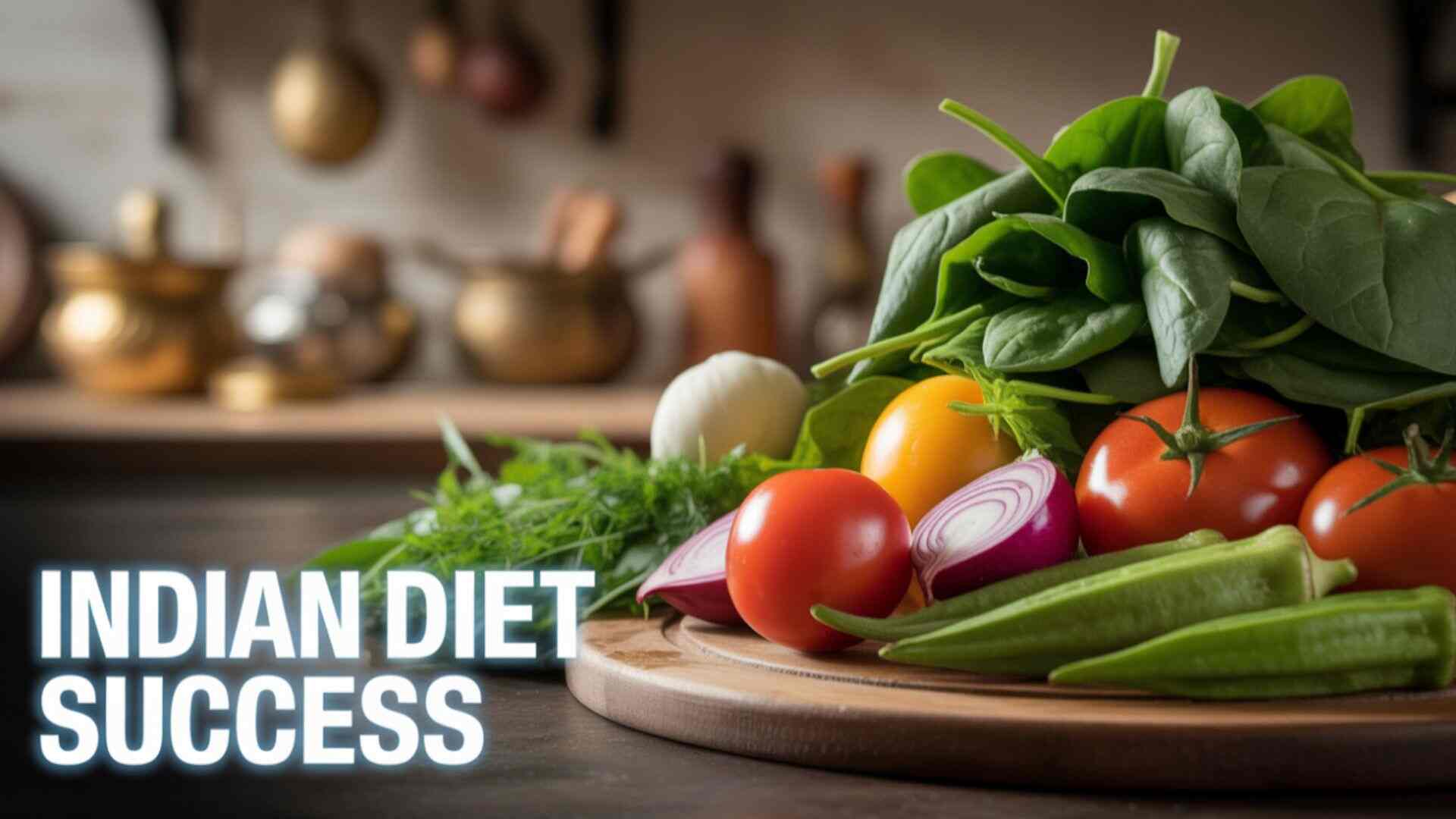
• Leafy greens (spinach, methi): Packed with fiber, low in calories, used in sabzi, dal, or thepla.
• Whole grains: Brown rice, millets (bajra, jowar), and whole wheat roti help control hunger.
• Vegetables: Baingan (eggplant), lauki (bottle gourd), tinda, and bhindi are traditional choices that support satiety.
• Fruits: Guava, papaya, pomegranate, and apples are ideal snacks due to their fiber.
Sample Meal Plans
Here is a 7-day Indian meal plan with nutritious options for sustainable weight loss:
Meal |
Sample Foods |
Breakfast |
Moong dal chilla, oats with nuts, poha, vegetable upma |
Snack |
Sprouts, fresh fruit (banana, apple, orange), coconut water |
Lunch |
Roti + brown rice, dal, lauki/bhindi sabzi, rajma, chana |
Evening Snack |
Green tea, buttermilk, roasted chana, makhana, peanuts |
Dinner |
Vegetable khichdi, grilled chicken/fish/tofu, soup + toast |
These meals use seasonal vegetables, local grains, and lean proteins to maintain variety and nutrition.
Practical Tips for Sustainable Weight Loss
• Cook meals at home so you can control how much oil, salt, and sugar are used.
• Fill half your plate with vegetables or salads, a quarter with lean protein (dal, chana, paneer), and a quarter with whole grains.
• Include protein in every meal, such as dal, eggs, paneer, or tofu.
• Stay hydrated with plenty of water, herbal teas, or buttermilk (not sweetened drinks).
• Eat slowly and avoid distractions at mealtime — this helps you notice when you’re truly full.
• Plan meals and snacks ahead to avoid binge-eating or unhealthy choices.
Addressing Common Misconceptions
• You don’t need extreme diets or supplements — traditional foods cooked healthily work best.
• Carbohydrates and fats are not enemies when chosen wisely: whole grains and healthy fats are essential for balance.
• Bananas, rice, and ghee are not “bad”; in moderation and within a balanced diet, they offer health benefits.
• Occasional eating out or enjoying your favorite foods is fine — moderation, not restriction, leads to sustainable results.
Conclusion
A sustainable Indian diet for obesity centers around whole foods, mindful portions, and balanced nutrition. By embracing traditional dishes, planning meals with variety, and avoiding drastic, unsustainable measures, weight loss becomes a healthy, enjoyable journey. Tuning into real hunger, cooking at home, and staying hydrated empowers anyone to manage their weight and lead a healthier life.
If you’d like the blog post edited to a specific word count, please specify; this draft can be streamlined or expanded as needed.
Resources
1. https://www.mfine.co/guides/indian-obesity-diet-chart
2. https://www.healthline.com/nutrition/indian-diet-weight-loss
3. https://www.parashospitals.com/blogs/indian-diet-plan-for-weight-loss
6. https://continentalhospitals.com/blog/best-indian-foods-for-weight-loss-and-energy/
8. https://www.apollo247.com/health-topics/weight-loss/indian-diet-chart-for-weight-loss
Latest Post
-

-

Low-Impact vs No-Impact: What People 40+ Should Know
November 29, 2025 -

Signs Your Body Can’t Handle High-Intensity Workouts
November 26, 2025 -

20-Minute Home Workout for Busy Professionals Over 40
November 23, 2025 -

Best Low-Impact Fat Loss Exercises for Adults 40–65
November 23, 2025 -

Why High-Intensity Workouts Are Dangerous After 40
November 23, 2025 -

Beginner’s Low-Impact Workout Plan for Adults Over 40
November 21, 2025 -

Acid Reflux and Natural Remedies
November 17, 2025 -

Fitness Over 40 & Chair Yoga Workouts as Remedy
November 13, 2025 -

Multivitamins for Thyroid Support in India
November 7, 2025
