
Calcium is essential for key body functions
It's not just about strong bones and teeth; calcium is involved in various bodily functions, including muscle contraction, nerve signaling, and blood clotting.
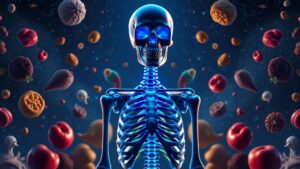
I. Introduction: The Importance of Calcium
Calcium is essential for key body functions. It’s not just about strong bones and teeth; calcium is involved in various bodily functions, including muscle contraction, nerve signaling, and blood clotting.
Calcium needs shift with age, requiring different daily amounts as we grow:
• Children (1-3 years): 700 mg
• Children (4-8 years): 1,000 mg
• Teenagers (9-18 years): 1,300 mg
• Adults (19-50 years): 1,000 mg
• Women 51+ and men 71+: 1,200 mg
Not getting enough calcium can lead to weakened bones, increased risk of fractures, and in severe cases, osteoporosis. I remember when my grandmother was diagnosed with osteoporosis; it was a wake-up call for our entire family to pay more attention to our calcium intake.

II. Dietary Sources of Calcium
A. Dairy products and their calcium content
Dairy items like milk are often the go-to sources when people think of calcium in their meals.A glass of milk, a cup of yogurt, or A single slice of cheese can deliver a hefty dose of your daily calcium requirement. For instance, one cup of milk contains about 300 mg of calcium.
B. Non-dairy food sources rich in calcium
For those who don’t consume dairy, there are plenty of other options:
• Leafy greens like kale and collard greens
• Sardines and canned salmon with bones
• Tofu (when prepared with calcium sulfate)
• Almonds and Brazil nuts
C. Calcium-fortified foods and beverages
Many food manufacturers add calcium to their products. You can find calcium-fortified:
• Orange juice
• Plant-based milk alternatives
• Cereals
• Bread

III. Factors Affecting Calcium Absorption
A. Role of vitamin D in calcium absorption
Vitamin D is crucial for calcium absorption. Too little vitamin D makes it harder for your body to absorb calcium effectively.
I learned this the hard way when I was diagnosed with vitamin D deficiency despite consuming plenty of calcium-rich foods.
B. Impact of other nutrients on calcium uptake
Some nutrients can help or hinder calcium absorption:
• Vitamin K helps calcium bind to bones
• High sodium intake can increase calcium excretion
C. Medical conditions that affect calcium absorption
Certain conditions can impact how your body processes calcium:
• Celiac disease
• Inflammatory bowel disease
• Kidney problems

IV. Signs of Calcium Deficiency
A. Short-term symptoms
Early signs of calcium deficiency can include:
• Muscle cramps
• Numbness and tingling in the fingers
• Fatigue and weakness
B. Long-term health risks
Chronic calcium deficiency can lead to:
• Osteoporosis
• Dental problems
• Cataracts
C. At-risk populations for calcium deficiency
Certain groups face a higher risk of calcium deficiency than others.
• Postmenopausal women
• People with lactose intolerance
• Vegans who don’t consume fortified foods

V. Calcium Supplements: When and How to Use Them
A. Types of calcium supplements available
There are two main types of calcium supplements:
• Calcium carbonate
• Calcium citrate
B. Proper dosage and timing of supplementation
It’s best to take calcium supplements in smaller doses throughout the day, as your body can only absorb about 500 mg at a time. I usually take mine with meals to improve absorption.
C. Potential side effects and interactions
Calcium supplements can cause:
• Constipation
• Bloating
• Interference with certain medications
Always consult with a healthcare provider before starting any supplement regimen.

VI. Lifestyle Factors That Impact Calcium Levels
A. Exercise and its effect on calcium retention
Weight-bearing exercises can help strengthen bones and improve calcium retention. I’ve made it a point to include more walking and light weightlifting in my routine.
B. Impact of caffeine and alcohol consumption
Too much caffeine or alcohol can block your body from absorbing calcium well.
Moderation is key.
C. Smoking and its influence on calcium absorption
Smoking can decrease calcium absorption and increase bone loss. It’s yet another reason to quit or never start.

VII. Balancing Calcium with Other Nutrients
A. The calcium-magnesium relationship
Calcium and magnesium work together in the body. It’s important to maintain a balance between these two minerals.
B. Importance of vitamin K for calcium utilization
Vitamin K guides calcium into bones, where it’s most beneficial.
C. Phosphorus and its interaction with calcium
While phosphorus is important for bone health, too much can interfere with calcium absorption. Many processed foods are high in phosphorus, so be mindful of your intake.
VIII. Summary: Ensuring Adequate Calcium Intake
Getting enough calcium is crucial for overall health, not just bone strength. By eating a varied diet rich in calcium sources, considering supplements if necessary, and maintaining a healthy lifestyle, you can help ensure your body gets the calcium it needs.
IX. FAQs
1. Can I get too much calcium?
– Yes, excessive calcium intake can lead to problems like kidney stones. Stick to recommended daily amounts unless advised otherwise by a doctor.
2. How does a vegan diet affect calcium intake?
– Vegans need to be more mindful of their calcium intake, focusing on plant-based sources and fortified foods.
3. Are there any foods that interfere with calcium absorption?
– Spinach, rhubarb, and other oxalate-rich foods may hinder your body’s calcium uptake.
Foods high in oxalates, like spinach and rhubarb, can interfere with calcium absorption.
4. Can your body absorb calcium from plants as efficiently as it does from dairy?
– Plant-based calcium can be just as effective, but you may need to consume larger quantities to get the same amount.
5. How often should I have my calcium levels checked?
– For most people, calcium levels don’t need regular checking. However, if you’re at risk for deficiency, consult your doctor about appropriate testing intervals.
Latest Post
-

-

Low-Impact vs No-Impact: What People 40+ Should Know
November 29, 2025 -
Signs Your Body Can’t Handle High-Intensity Workouts
November 26, 2025 -

20-Minute Home Workout for Busy Professionals Over 40
November 23, 2025 -

Best Low-Impact Fat Loss Exercises for Adults 40–65
November 23, 2025 -

Why High-Intensity Workouts Are Dangerous After 40
November 23, 2025 -

Beginner’s Low-Impact Workout Plan for Adults Over 40
November 21, 2025 -
Acid Reflux and Natural Remedies
November 17, 2025 -

Fitness Over 40 & Chair Yoga Workouts as Remedy
November 13, 2025 -
Multivitamins for Thyroid Support in India
November 7, 2025
