
Introduction
As we age beyond 40, joint health, muscle preservation, and sustainable fitness become priorities to maintain independence and vitality. Low-impact and no-impact exercises offer gentler alternatives to high-intensity workouts, minimizing stress on joints while delivering health gains tailored for midlife and beyond. This post breaks down their differences, benefits, and practical tips to help you choose wisely.
Definition of Low-Impact and No-Impact
Low-impact exercises involve some weight-bearing or ground contact but reduce jarring forces compared to running or jumping, such as brisk walking, swimming, or cycling (Tse, 2015). No-impact exercises eliminate repetitive foot strikes entirely, often performed seated or in water, including chair yoga, seated marches, or upper-body resistance bands (Lowdon, 2005). The key distinction lies in joint loading: low-impact permits light ground reaction, while no-impact avoids it, making both ideal for those with arthritis or balance concerns.
Benefits of Low-Impact Exercise
Low-impact activities like walking improve physical function, cognitive health, and reduce mortality risk in older adults, even at light intensities equivalent to 1.5 hours daily (Tse, 2015). Studies show they enhance aerobic endurance, strength, flexibility, and balance, countering age-related declines without injury risk (Undertun et al., 2022). For frail individuals over 40, these exercises boost neurocognitive performance and daily mobility more effectively than no activity (European Public Health, 2024).
Benefits of No-Impact Exercise
No-impact options, such as chair-based strength programs or tai chi, significantly improve mobility, pain management, and mental health in seniors, with adherence rates over 89% (Common Sport Study, 2021). They enhance activities of daily living and cognitive function, particularly for those with frailty, by building strength without strain (Zhang et al., 2023). These exercises also alleviate anxiety and depression, offering a safe entry for beginners over 40 wary of falls (Canadian Study of Health and Aging, 2009).
Recommendations for Individuals Aged 40+
Start with 150 minutes weekly of low- or no-impact activity, mixing walking (low-impact) with seated yoga (no-impact) for balanced gains, per adapted guidelines for older adults (PROOF Cohort, 2023). Beginners or those with joint issues should prioritize no-impact like water aerobics or chair exercises 2-3 times weekly, progressing to low-impact as strength builds (Tse, 2015). Consult a doctor to personalize, debunking myths that older adults need intense workouts—gentle consistency yields better long-term adherence and results (Lowdon, 2005).
Conclusion
Both low-impact and no-impact exercises empower those over 40 to stay active safely, with low-impact suiting moderately healthy individuals and no-impact ideal for higher frailty. Incorporating either combats aging’s toll on body and mind, fostering lasting wellness—pick what fits your body and build from there.
Free Resource: Get Your Beginner Exercise Plan
If you’re not sure where to start, we’ve put together a free Beginner Low-Impact Exercise Plan for Adults 40+ — a structured, easy-to-follow plan built specifically for this stage of life.
No gym needed. No equipment required to get started. Just practical routines you can actually stick to.
👉 Download your free plan here
Resources:
1. https://pmc.ncbi.nlm.nih.gov/articles/PMC4612316/
2. https://pmc.ncbi.nlm.nih.gov/articles/PMC544999/
3. https://academic.oup.com/eurpub/article/doi/10.1093/eurpub/ckae114.110/7771778
4. https://journal.uny.ac.id/index.php/jolahraga/article/view/48743
5. https://dx.plos.org/10.1371/journal.pone.0006174
6. https://pmc.ncbi.nlm.nih.gov/articles/PMC11458270/
7. https://pmc.ncbi.nlm.nih.gov/articles/PMC8004100/
8. https://pmc.ncbi.nlm.nih.gov/articles/PMC10284080/
9. https://www.acpjournals.org/doi/10.7326/M15-1813
10. https://onlinelibrary.wiley.com/doi/10.1038/oby.2012.30
11. https://www.semanticscholar.org/paper/4396709eb116d91c6c979f831679802b0075792a
12. https://www.acpjournals.org/doi/10.7326/M16-2579
13. http://link.springer.com/10.1007/s11357-009-9129-9
14. https://www.journalslibrary.nihr.ac.uk/hta/hta18490/
15. http://link.springer.com/10.1007/s10198-015-0674-0
16. https://pmc.ncbi.nlm.nih.gov/articles/PMC1889998/
17. https://pmc.ncbi.nlm.nih.gov/articles/PMC4053519/
18. https://pmc.ncbi.nlm.nih.gov/articles/PMC8685315/
19. https://pmc.ncbi.nlm.nih.gov/articles/PMC10643563/
20. https://pmc.ncbi.nlm.nih.gov/articles/PMC11282331/
21. https://www.semanticscholar.org/paper/c7b97435dcef912b9b695c63e3e5d37a1009b8c9
22. https://www.semanticscholar.org/paper/d948cc670aa29e56caad6371f1ae74af032dbf7a
23. https://linkinghub.elsevier.com/retrieve/pii/S1279770723000763
24. http://academic.oup.com/workar/article/4/1/79/4056158
25. http://www.tandfonline.com/doi/full/10.1080/14038190701433407
26. https://journals.sagepub.com/doi/10.1177/070674371506000801
27. https://www.bmj.com/lookup/doi/10.1136/bmj.c3484
28. https://www.semanticscholar.org/paper/0e4de6ca248fc750c7cc08d24d5a61bea1bd9dfe
29. https://onlinelibrary.wiley.com/doi/10.1155/2024/5639004
30. https://www.mdpi.com/1660-4601/18/6/3253/pdf
31. https://pmc.ncbi.nlm.nih.gov/articles/PMC3785077/
32. https://bmcmedicine.biomedcentral.com/articles/10.1186/s12916-024-03679-3
Latest Post
-

-

Low-Impact vs No-Impact: What People 40+ Should Know
November 29, 2025 -

Signs Your Body Can’t Handle High-Intensity Workouts
November 26, 2025 -
20-Minute Home Workout for Busy Professionals Over 40
November 23, 2025 -
Best Low-Impact Fat Loss Exercises for Adults 40–65
November 23, 2025 -
Why High-Intensity Workouts Are Dangerous After 40
November 23, 2025 -
Beginner’s Low-Impact Workout Plan for Adults Over 40
November 21, 2025 -
Acid Reflux and Natural Remedies
November 17, 2025 -
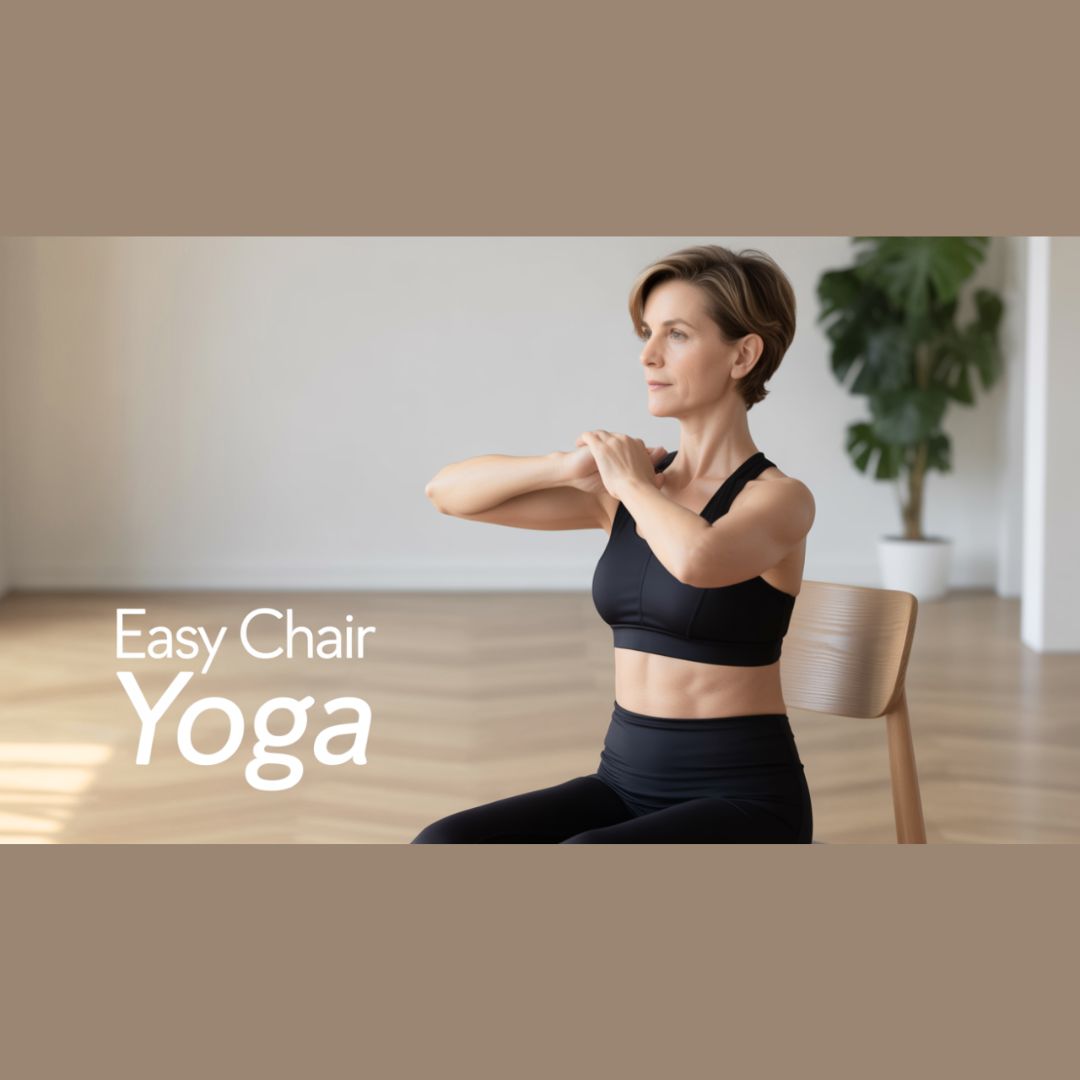
Fitness Over 40 & Chair Yoga Workouts as Remedy
November 13, 2025 -
Multivitamins for Thyroid Support in India
November 7, 2025
