Understanding Hypertension
Hypertension, commonly called high blood pressure, is a major risk factor for heart disease, stroke, and kidney issues. Modern lifestyles—marked by persistent stress, sedentary habits, and unhealthy diets—often fuel this silent threat. Many people are unaware they even have hypertension, as it usually has no early symptoms but causes cumulative damage over time.
The Stress-Hypertension Connection
Stress acts like fuel on the fire for hypertension. When the body feels stressed, it releases hormones that make the heart beat faster and constrict blood vessels, causing blood pressure to rise. Frequent or chronic stress, left unchecked, can turn temporary spikes in blood pressure into a lasting health concern. Managing stress effectively is, therefore, a key part of controlling hypertension.
Yoga Poses for Stress Relief and Hypertension
Adopting yoga into daily routines has been shown to help regulate stress responses, promote feelings of relaxation, and, over time, support healthier blood pressure levels. Below are some of the most effective poses, chosen for their calming effects on the mind and nervous system.
1. Child’s Pose (Balasana)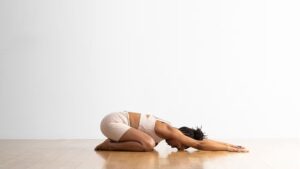 This restorative pose calms the mind and relieves tension in the body. To perform, kneel on the floor, sit back on your heels, and stretch your arms forward while lowering your forehead to the ground. Allow your breath to deepen, and stay for 1–3 minutes.
2. Legs-Up-the-Wall Pose (Viparita Karani)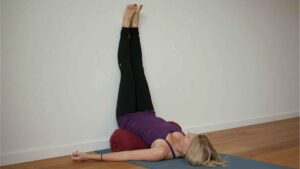 Lie on your back and extend your legs up a wall, keeping your arms relaxed by your sides. This gentle inversion promotes circulation, soothes the nervous system, and eases fatigue. Hold for 5–10 minutes, breathing gently.
3. Cat-Cow Pose (Marjaryasana-Bitilasana)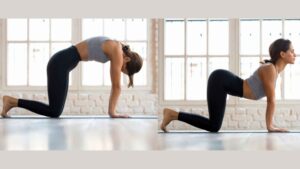 Start on hands and knees. Inhale and arch your back (Cow), lifting your head and tailbone, then exhale rounding your spine (Cat), tucking your head and pelvis. This flowing movement relieves tension in the spine and syncs breath with gentle motion, which helps soothe stress.
4. Supported Bridge Pose (Setu Bandhasana)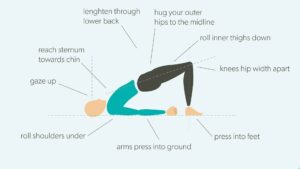 Lie on your back with knees bent and feet hip-width apart. Lift your hips and place a yoga block or pillow under your lower back for support. Rest your arms at your sides, close your eyes, and breathe deeply. This pose gently stimulates the parasympathetic (“rest and digest”) nervous system.
5. Reclining Bound Angle Pose (Supta Baddha Konasana)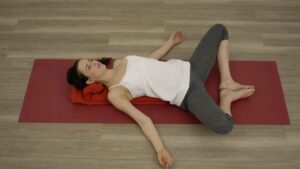 Lie on your back, bring the soles of your feet together, and let your knees fall open (support thighs with pillows if needed). Rest your hands on your belly or by your sides. This pose is deeply relaxing and helps release tension from the hips and lower back.
Tips for Incorporating Yoga Into Your Routine
• Set aside a dedicated 10–20 minutes daily for these restorative poses.
• Practice in a quiet, comfortable space—early morning or evening often works well for relaxation.
• Focus on deep, slow breathing in each pose; this amplifies the stress-relieving benefits.
• Combine yoga with mindfulness by noticing the sensations and emotions present during practice.
• Consistency is key—regular practice is more impactful than long, infrequent sessions.
Research Insights: What Science Says
Research consistently supports the role of yoga in stress reduction and hypertension management. Studies show that slow yogic breathing and restorative postures can lower resting blood pressure, enhance mood, and reduce markers of chronic stress. Some evidence suggests that even gentle forms of yoga practiced several times a week can contribute to meaningful improvements in blood pressure when combined with a healthy lifestyle.
Final Thoughts
Yoga is not a substitute for medical care, but it’s a powerful companion for heart health—especially for anyone seeking relief from stress and a natural means to help manage hypertension. These simple poses, performed with intention and regularity, may offer new hope and comfort on the path to wellness.
References
1. Harvard Health: Yoga and Blood Pressure
2. American Heart Association: Yoga for Heart Health
3. Mayo Clinic: Benefits of Reduced Stress for Blood Pressure
Latest Post
-

-

Low-Impact vs No-Impact: What People 40+ Should Know
November 29, 2025 -

Signs Your Body Can’t Handle High-Intensity Workouts
November 26, 2025 -
20-Minute Home Workout for Busy Professionals Over 40
November 23, 2025 -

Best Low-Impact Fat Loss Exercises for Adults 40–65
November 23, 2025 -
Why High-Intensity Workouts Are Dangerous After 40
November 23, 2025 -

Beginner’s Low-Impact Workout Plan for Adults Over 40
November 21, 2025 -
Acid Reflux and Natural Remedies
November 17, 2025 -
Fitness Over 40 & Chair Yoga Workouts as Remedy
November 13, 2025 -
Multivitamins for Thyroid Support in India
November 7, 2025
