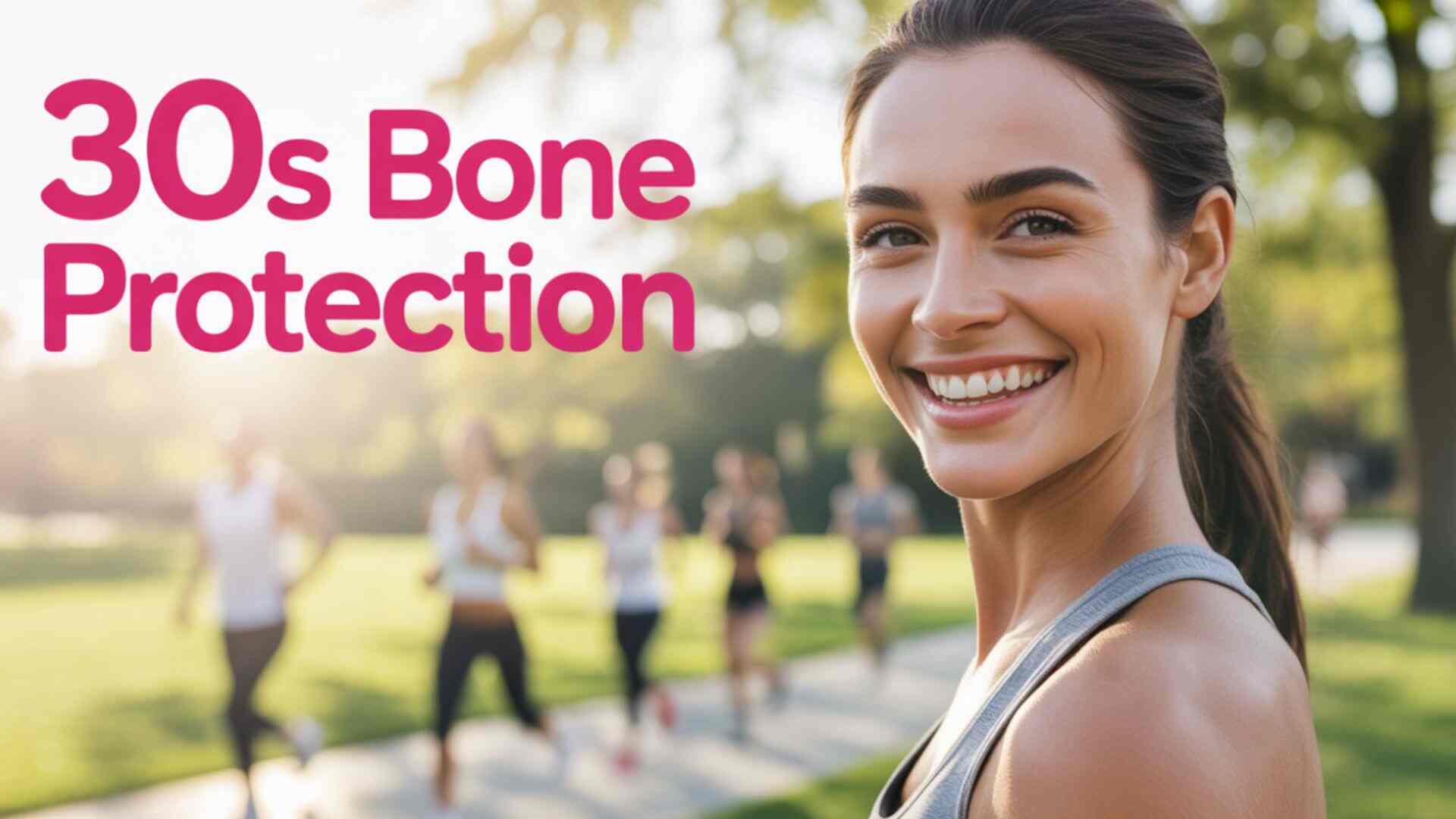
By the time we blow out thirty candles, our skeleton has stacked its densest deck—peak bone mass, fully dealt. After this point, bone density gradually declines. That’s why it’s crucial to build strong bones in our younger years and maintain them as we age.
Risk factors for osteoporosis
Osteoporosis risk rises when key bones lose their allies—nutrition, hormones, movement, and time.
• Genetics and family history
• Gender (women are at higher risk)
• Low body weight
• Smoking and excessive alcohol consumption
• Certain medical conditions and medications
Nutrition for Strong Bones
♦ Essential nutrients for bone health
Proper nutrition plays a vital role in maintaining strong bones. Key nutrients include:
• Calcium
• Vitamin D
• Vitamin K
• Magnesium
• Protein
♦ Calcium-rich foods and recommended intake
Adults in their 30s should aim for about 1000mg of calcium daily. Good sources include:
• Dairy products (milk, yogurt, cheese)
• Leafy green vegetables (kale, spinach, collard greens)
• Fortified foods (orange juice, cereals)
• Canned fish with soft bones (sardines, salmon)
♦ Vitamin D sources and importance
Vitamin D helps your body absorb calcium. You can get it from:
• Sunlight exposure
• Fatty fish (salmon, tuna, mackerel)
• Egg yolks
• Fortified foods
If you’re not getting enough from diet and sunlight, consider talking to your doctor about supplements.
Exercise and Physical Activity
♦ Weight-bearing exercises
These exercises force you to work against gravity, which helps build bone strength. Examples include:
• Walking
• Jogging
• Dancing
• Tennis
♦ Resistance training
Lifting weights or using resistance bands can help strengthen both muscles and bones. Begin with gentle resistance—let strength invite the weight, not the other way around.
♦ Balance and flexibility exercises
While these don’t directly build bone, they can help prevent falls, which is crucial for those at risk of fractures. Try activities like:
• Yoga
• Tai Chi
• Simple balance exercises (standing on one foot)
Lifestyle Choices
♦ Smoking cessation
🚬 Smoking weakens your skeletal scaffolding—less bone, more breakage.
If you smoke, consider quitting or seek help to do so.
♦ Limiting alcohol consumption
Excessive alcohol intake can interfere with calcium absorption and hormone production that affects bone health. If you drink, do so in moderation.
♦ Maintaining a healthy weight
Being underweight can increase your risk of bone loss and fractures. On the other hand, excess weight can put extra stress on bones. Aim for a healthy balance through proper nutrition and regular exercise.
Regular Health Check-ups
♦ Bone density scans
While not typically recommended for people in their 30s, you might need one if you have certain risk factors. Discuss with your healthcare provider.
♦ Hormone level tests
Hormones play a crucial role in bone health. Your doctor may recommend checking levels of hormones like estrogen or testosterone.
♦ Discussing family history with healthcare providers
Be sure to inform your doctor about any family history of osteoporosis or fractures, as this can impact your risk.
Stress Management
♦ Impact of stress on bone health
Chronic stress can lead to elevated cortisol levels, which may negatively affect bone density.
Stress reduction techniques
Consider incorporating stress-management practices into your daily routine:
• Meditation
• Deep breathing exercises
• Regular physical activity
• Hobbies and social connections
Importance of quality sleep
Adequate sleep is crucial for overall health, including bone health. Let your body reboot with 7 to 9 hours of deep, uninterrupted sleep—nightly nourishment for mind and muscle.
Summary
Preventing osteoporosis in your 30s involves a combination of proper nutrition, regular exercise, healthy lifestyle choices, and routine check-ups. By taking these steps early, you can build and maintain strong bones, reducing your risk of osteoporosis and fractures later in life. Remember, it’s never too early to start caring for your bone health.
FAQs
1. Can osteoporosis be reversed?
While severe osteoporosis can’t be completely reversed, early-stage bone loss can often be slowed or stopped through lifestyle changes and medication if necessary.
2. Are there any specific foods to avoid for bone health?
– Too much soda or caffeine can sabotage your calcium crew—cut back to keep bones in sync. Also, be cautious with high-sodium foods, as excess sodium can lead to calcium loss through urine.
3. How often should I have my bone density checked in my 30s?
– For most people in their 30s, routine bone density scans aren’t necessary. However, if you have risk factors, your doctor may recommend more frequent checks.
4. Can pregnancy affect bone density?
– Pregnancy can temporarily decrease bone density, especially if calcium intake is low. However, this usually resolves after breastfeeding ends. Ensure adequate calcium and vitamin D intake during and after pregnancy.
5. Are there any supplements I should consider for bone health?
– If you’re not getting enough calcium and vitamin D through diet and sunlight, supplements might be beneficial. Before adding any supplement to your routine, loop in your healthcare guide—safety starts with a conversation.
Latest Post
-

-

Low-Impact vs No-Impact: What People 40+ Should Know
November 29, 2025 -
Signs Your Body Can’t Handle High-Intensity Workouts
November 26, 2025 -

20-Minute Home Workout for Busy Professionals Over 40
November 23, 2025 -

Best Low-Impact Fat Loss Exercises for Adults 40–65
November 23, 2025 -
Why High-Intensity Workouts Are Dangerous After 40
November 23, 2025 -
Beginner’s Low-Impact Workout Plan for Adults Over 40
November 21, 2025 -

Acid Reflux and Natural Remedies
November 17, 2025 -

Fitness Over 40 & Chair Yoga Workouts as Remedy
November 13, 2025 -
Multivitamins for Thyroid Support in India
November 7, 2025
