I. Introduction

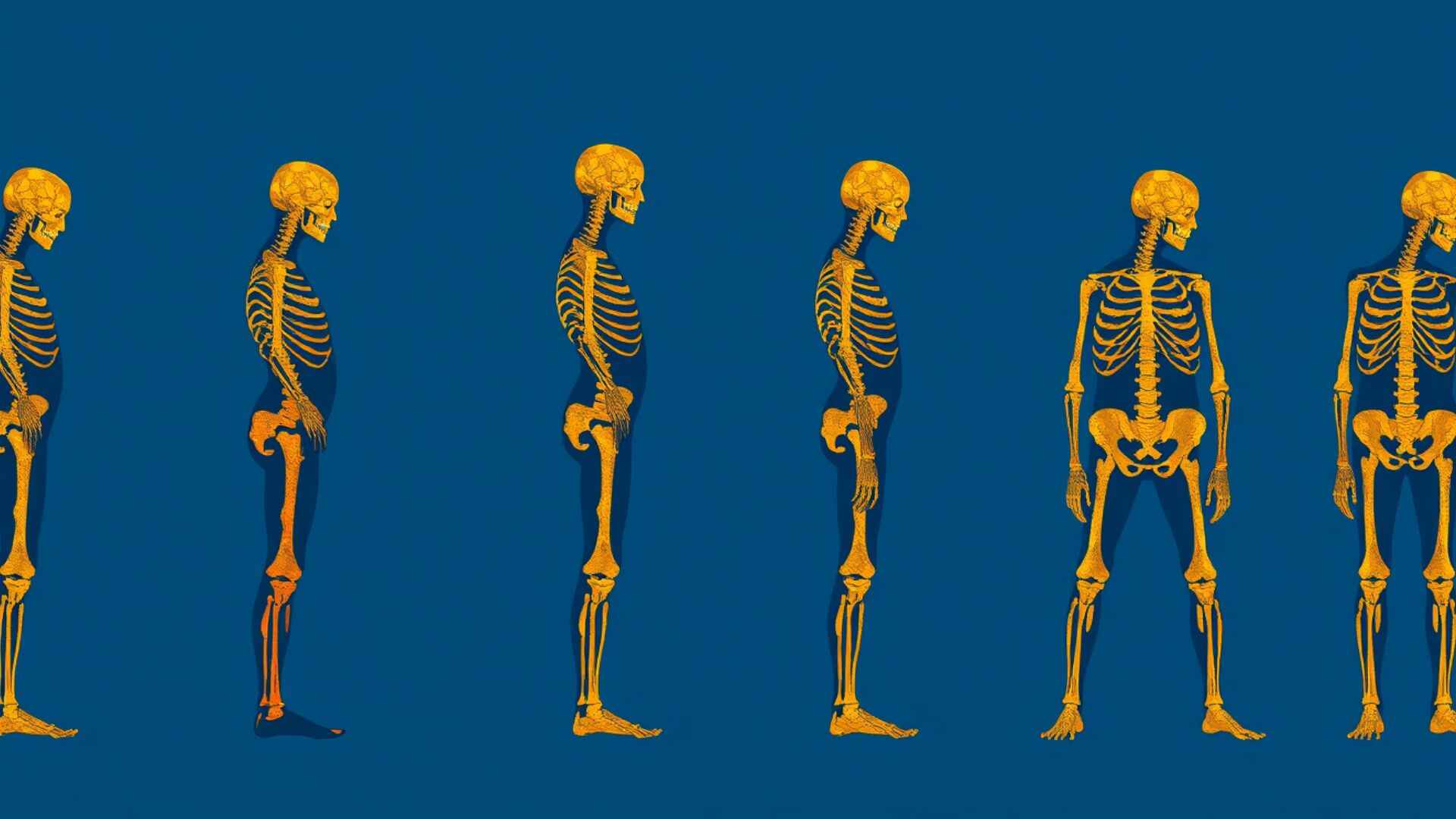
Our bones are the silent guardians of our body, providing structure and protection. Still, countless people neglect their health until crisis strikes.Bone-weakening conditions, like osteoporosis, affect millions worldwide. Catching these issues early can make a world of difference in maintaining our mobility and quality of life as we age.
II. Warning Sign 1: Unexplained Fractures or Bone Breaks
A. Types of fractures associated with weak bones
Weak bones often lead to fractures in the hip, spine, and wrist. These breaks can happen with minimal force, sometimes from simple activities like bending over or coughing.
B. Common scenarios leading to unexplained fractures
I remember my aunt slipping on a small patch of ice and breaking her hip. At the time, we thought it was just bad luck. Later, we learned it was a sign of her weakening bones.
C. How these fractures differ from normal injuries
Unlike typical breaks from major accidents, fractures due to weak bones can occur from minor bumps or falls that wouldn’t normally cause such damage.
III. Warning Sign 2: Changes in Posture and Height
A. Gradual loss of height over time
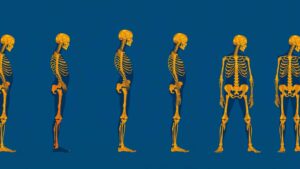
Shrinking over an inch may be more than aging—it could indicate spinal bone loss.
B. Development of stooped or hunched posture
A curved upper back, often called a dowager’s hump, can develop as the bones in your spine weaken and compress.
C. Impact on spine and overall body alignment
These changes don’t just affect your appearance. They may disrupt balance and raise your fall risk.
IV. Warning Sign 3: Receding Gums and Dental Issues
A. Connection between bone density and oral health
Even your jawbone is vulnerable to weakening like other bones. This can lead to dental problems you might not expect.
B. Signs of tooth loosening or loss
If your teeth feel loose or you’re losing them without apparent cause, it could be a sign of bone loss in your jaw.
C. Importance of regular dental check-ups
Routine dental checkups help detect problems early.They might spot signs of bone loss before you do.
V. Warning Sign 4: Weakening Grip Strength

A. Correlation between grip strength and bone density
Research has shown that grip strength can be an indicator of overall bone health. Weaker grip might mean weaker bones.
B. Simple tests to assess grip strength at home
Try opening a tight jar or holding a heavy book at arm’s length. If these tasks are becoming more difficult, it might be worth mentioning to your doctor.
C. Other muscle weakness indicators
General muscle weakness, especially in your legs, can also be a sign of bone loss.
VI. Warning Sign 5: Increased Pain in Bones and Joints
A. Distinguishing between arthritis and bone-related pain
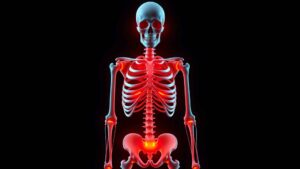
Bone pain often feels deep and aching, while arthritis pain is often described as sharp or burning.
B. Common areas affected by bone pain
The back, hips, and legs are common sites for bone pain related to weakening.
C. Changes in pain patterns over time
If you notice persistent pain that wasn’t there before, especially in these areas, it’s worth getting checked out.
VII. Risk Factors and Prevention

A. Age-related bone density loss
Aging naturally reduces bone density.This process speeds up for women after menopause.
B. Dietary and lifestyle factors
Poor diet, inactivity, smoking, and heavy drinking all accelerate bone loss.
C. Medical conditions affecting bone health
Certain medications and conditions like celiac disease or overactive thyroid can impact bone health.
VIII. Diagnostic Tools and Tests

A. Bone density scans (DEXA)
These scans are the gold standard for diagnosing bone loss. They’re painless and quick, similar to getting an X-ray.
B. Blood tests for bone health markers
Your doctor might order blood tests to check levels of calcium, vitamin D, and other markers of bone health.
C. Physical examinations and medical history
Your doctor will likely perform a physical exam and ask about your medical history to assess your risk factors.
IX. Treatment Options

A. Medications for bone strengthening
There are several medications available that can slow bone loss or even help build new bone.
B. Dietary supplements and nutrition
Calcium and vitamin D supplements are often recommended, along with a diet rich in these nutrients.
C. Exercise and physical therapy
Weight-bearing exercises and strength training can help maintain and even improve bone density.
X. Summary
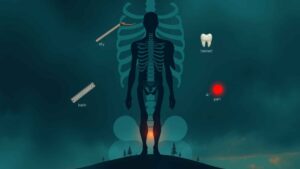
Spotting bone loss early is key to staying healthy and independent with age. By paying attention to these five warning signs – unexplained fractures, changes in posture and height, dental issues, weakening grip strength, and increased bone pain – you can take proactive steps to protect your bone health.
Don’t hesitate to discuss any concerns with your healthcare provider. They can help you develop a plan to keep your bones strong and healthy for years to come.
XI. FAQs
A. At what age should I start monitoring my bone health?
It’s never too early to start caring for your bones, but it becomes especially important after age 50.
B. Can bone weakness be reversed?
While severe bone loss can’t be completely reversed, early intervention can slow or stop its progression and even improve bone density.
C. How often should I have my bone density checked?
This varies based on your age and risk factors. Generally, women over 65 and men over 70 should have regular checks.
D. Are there any natural remedies for improving bone strength?
While not a substitute for medical treatment, some people find that certain herbs and dietary changes can support bone health.
E. Can men also suffer from weakening bones?
Absolutely. While it’s more common in women, men can also experience significant bone loss, especially after age 70.
Latest Post
-

-

Low-Impact vs No-Impact: What People 40+ Should Know
November 29, 2025 -

Signs Your Body Can’t Handle High-Intensity Workouts
November 26, 2025 -

20-Minute Home Workout for Busy Professionals Over 40
November 23, 2025 -

Best Low-Impact Fat Loss Exercises for Adults 40–65
November 23, 2025 -
Why High-Intensity Workouts Are Dangerous After 40
November 23, 2025 -
Beginner’s Low-Impact Workout Plan for Adults Over 40
November 21, 2025 -

Acid Reflux and Natural Remedies
November 17, 2025 -

Fitness Over 40 & Chair Yoga Workouts as Remedy
November 13, 2025 -
Multivitamins for Thyroid Support in India
November 7, 2025
