
Understanding Bone Density Tests and Their Importance
Unveiling Bone Health
I. The Basics of Bone Density Testing
A. What is a bone density test?
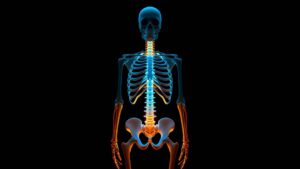
A bone density scan evaluates how compact and strong your bones are, aiding in early detection of bone-related conditions like osteoporosis. It uses low-dose X-rays to assess calcium and mineral levels in bones, revealing their density and overall strength.
B. Why are these tests important?
Bone density tests are crucial for several reasons:
• They help identify osteoporosis before a fracture occurs
• They can predict your risk of future fractures
• They monitor the effectiveness of osteoporosis treatments
• They track changes in bone density over time
Early detection of bone loss can lead to more effective treatment and prevention of fractures, which can significantly impact quality of life.
C. When should you consider getting tested?
Generally, bone density testing is recommended for:
• Women aged 65 and older
• Men aged 70 and older
• Younger adults with risk factors for bone loss
• Anyone who has broken a bone after age 50
• People taking certain medications that can cause bone loss
Your doctor might also suggest a test if you’ve lost height, experienced back pain, or have a family history of osteoporosis.
II. Understanding Bone Health
B. The structure and function of bones
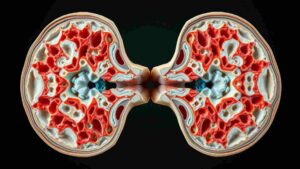
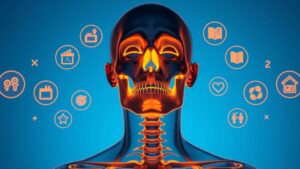
Bones are living tissues that constantly change throughout our lives. Bones are encased in a rigid outer layer, while their inner core is a porous structure housing marrow that produces blood cells. Bones serve several vital functions:
• Supporting the body and allowing movement
• Protecting internal organs
• Storing minerals like calcium and phosphorus
• Producing blood cells in the bone marrow
B. Factors influencing bone density
Several factors can affect bone density:
• Age: Bone density typically peaks in our 30s and then gradually declines
• Gender: women typically possess lower bone density than men, increasing their risk of fractures over time.
• Genetics: Family history can play a role in bone health
• Hormones: Estrogen in women and testosterone in men help maintain bone mass
• Diet: Calcium strengthens bones, while vitamin D boosts its absorption, working together to support skeletal health.
• Physical activity: Weight-bearing exercises help strengthen bones
• Tobacco use and heavy drinking weaken bone tissue over time, reducing bone mass and raising fracture risk.
C. How bone density changes
As we grow older, bones lose density, increasing fragility and the risk of fractures.
This process begins in our 30s and accelerates for women after menopause. Men undergo bone loss too, though it tends to progress more gradually than in women.This natural decline in bone density is why regular testing becomes more important as we get older.
III. Exploring Bone Density Test Methods
A. DXA scans: The gold standard
Dual-energy X-ray absorptiometry (DXA) is considered the most accurate method for measuring bone density. It uses two low-dose X-ray beams to create detailed images of bones, typically in the hip and spine. DXA scans are fast, non-invasive procedures that use minimal radiation to assess bone density safely and comfortably.
B. QCT scans: 3D bone imaging
Quantitative computed tomography (QCT) generates detailed 3D visuals of bone structure, offering precise insights into bone density levels.
It can measure density in the spine and hip separately and can distinguish between dense outer bone and spongy inner bone. However, QCT exposes patients to more radiation than DXA and is less commonly used.
C. Peripheral screening tests
These tests measure bone density in the lower arm, finger, or heel. They’re quicker and less expensive than DXA scans but are less accurate. They’re often used for initial screening and to determine if a more comprehensive DXA scan is needed.

IV. What to Expect During a Bone Density Test
A. Pre-test preparations
Preparing for a bone density test is straightforward:
• Skip calcium supplements for a full day prior to the scan to ensure accurate bone density results.
• Wear comfortable clothing without metal zippers or buttons
• Inform your doctor about any recent contrast material tests or nuclear medicine studies
B. The testing procedure
During a DXA scan:
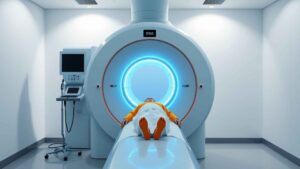
• You’ll lie on a padded table while a scanner passes over your body
• The test is painless and typically takes 10-30 minutes
• You may be asked to hold still and may need to hold your breath briefly
C. Post-test information
After the test:
• You can resume normal activities immediately
• Results are usually available within a few days
• Your doctor will review your results and suggest next steps based on your bone health needs.
V. Decoding Your Bone Density Results
A. Understanding T-scores and Z-scores
Bone density test results are reported using two main scores:
• T-score measures your bone density in comparison to that of a young, healthy adult at peak strength.
• Z-score gauges how your bone density aligns with peers of the same age, sex, and body size, helping identify atypical bone health patterns.
B. Diagnosing bone health conditions
Based on T-scores:
• Normal bone density: T-score above -1.0
• Osteopenia indicates reduced bone mass, marked by a T-score ranging from –1.0 to –2.5.
• Osteoporosis: T-score of -2.5 or lower
C. Recognizing test limitations
While bone density tests are valuable, they have limitations:
• They don’t predict who will experience a fracture
• They don’t measure bone quality, only quantity
• Results can vary between different machines or technicians

VI. The Significance of Regular Testing
A. Catching bone loss early
Routine bone scans can catch bone loss in its early stages—when treatment works best—helping prevent fractures and preserve an active, healthy life.
B. Assessing fracture risk
Bone density tests, combined with other risk factors, help doctors estimate your risk of future fractures. This information guides treatment decisions.
C. Tracking treatment progress
For those undergoing treatment for osteoporosis, regular testing helps monitor the effectiveness of medications and lifestyle changes.
VII. Strategies for Maintaining Healthy Bones
A. Dietary approaches to bone health
A bone-healthy diet includes:
• Adequate calcium intake (1000-1200 mg daily for adults)
• Sufficient vitamin D (600-800 IU daily for adults)
• Protein-rich foods
• Fruits and vegetables for their beneficial minerals
B. Bone-strengthening exercises
Engaging in weight-bearing and resistance workouts boosts bone strength by stimulating growth and slowing density loss.
• Walking, jogging, or dancing
• Weight-lifting
• Yoga or Pilates
C. Lifestyle factors affecting bone density
Other factors that influence bone health include
• Avoiding smoking
• Limiting alcohol consumption
• Maintaining a healthy weight

VIII. Addressing Low Bone Density
A. Medication options
If low bone density is detected, medications may be prescribed:
• Bisphosphonates to slow bone loss
• Hormone therapy for some postmenopausal women
• Biologics to increase bone formation
B. Alternative therapies
Some people explore alternative approaches:
• Acupuncture for pain management
• Tai Chi for balance and strength
• Herbal supplements (discuss with a doctor first)
C. Combining treatment approaches
Often, the most effective approach combines medication, lifestyle changes, and regular monitoring.
IX. Conclusion: The Role of Bone Density Tests in Overall Health
Bone density tests are vital for spotting age-related bone loss early, supporting proactive steps to preserve lifelong strength and wellness. They provide valuable information about bone strength, help predict fracture risk, and guide treatment decisions. By understanding the importance of these tests and taking proactive steps to maintain bone health, we can work towards stronger bones and a healthier future.
X. Common Questions About Bone Density Tests
• How frequently should bone density tests be done?
– How often you need a bone density test varies based on age, health history, and risk factors like menopause or prior fractures. Generally, if your initial test shows normal bone density, you might not need another test for 5-10 years. If you have risk factors or are undergoing treatment for osteoporosis, your doctor might recommend more frequent testing, typically every 1-2 years.
• Is the testing process uncomfortable?
– No, bone density tests are typically painless and non-invasive. You simply lie on a padded table while the scanner passes over your body. The process is quick and doesn’t require any injections or incisions.
• Can bone density be improved without medication?
– Yes, in many cases, bone density can be improved or maintained through lifestyle changes. This includes regular weight-bearing exercise, a diet rich in calcium and vitamin D, avoiding smoking, and limiting alcohol consumption. However, for some people, especially those with significant bone loss, medication may be necessary in addition to lifestyle changes.
• What distinguishes osteoporosis from osteopenia?
– Both osteopenia and osteoporosis signify low bone mass, but osteoporosis is more severe and greatly heightens fracture risk. Osteopenia is a milder form of bone loss, with T-scores between -1.0 and -2.5. Osteoporosis is more severe, with T-scores of -2.5 or lower. Osteopenia can be thought of as a warning sign, indicating an increased risk of developing osteoporosis if preventive measures aren’t taken.
• Are there any health risks associated with bone density testing?
– Bone density tests are considered very safe. They use extremely low doses of radiation—much less than a standard chest X-ray. The radiation exposure from a DXA scan is so low that even pregnant women can safely undergo the test if necessary. However, as with any medical procedure, it’s important to inform your doctor if you’re pregnant or think you might be.
Latest Post
-

-

Low-Impact vs No-Impact: What People 40+ Should Know
November 29, 2025 -

Signs Your Body Can’t Handle High-Intensity Workouts
November 26, 2025 -

20-Minute Home Workout for Busy Professionals Over 40
November 23, 2025 -

Best Low-Impact Fat Loss Exercises for Adults 40–65
November 23, 2025 -
Why High-Intensity Workouts Are Dangerous After 40
November 23, 2025 -

Beginner’s Low-Impact Workout Plan for Adults Over 40
November 21, 2025 -

Acid Reflux and Natural Remedies
November 17, 2025 -

Fitness Over 40 & Chair Yoga Workouts as Remedy
November 13, 2025 -
Multivitamins for Thyroid Support in India
November 7, 2025
