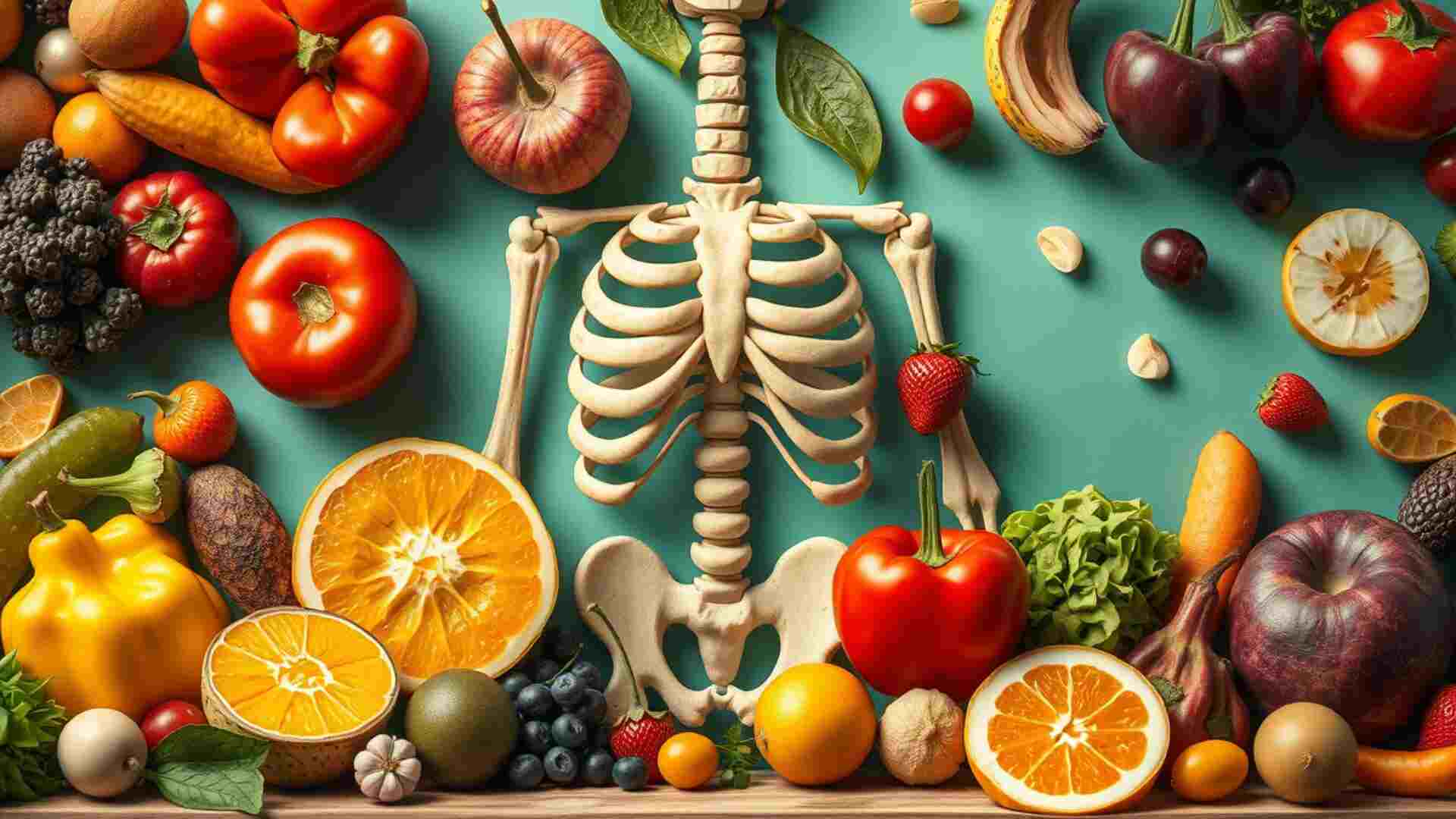
Building a Foundation: Bone Health in Your 20s

I. Understanding Bone Health
A. The importance of bone health at a young age
Taking care of your bones in your 20s might not seem like a top priority, but it’s actually a crucial time for building and maintaining strong bones. The choices you make now can significantly impact your bone health for decades to come.
B. How bones develop and change over time
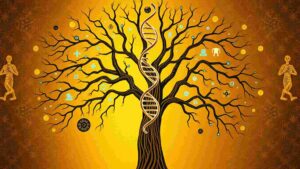
Bones undergo a constant cycle of renewal, ensuring they stay strong and resilient over time. In our 20s, we reach peak bone mass, which is the maximum strength and density our bones will ever have. Beyond this stage, bone mass begins to decline gradually over time.
C. Key factors influencing bone strength and density
Several factors affect bone health, including
• Genetics
• Diet
• Physical activity
• Hormones
• Lifestyle choices
II. Nutrition for Strong Bones
A. Essential nutrients for bone health
A well-balanced diet is essential for preserving bone strength and health.The most important nutrients for bone health include:
• Calcium
• Vitamin D
• Magnesium
• Vitamin K
• Protein
B. Calcium-rich foods and their absorption
While dairy products are well-known sources of calcium, there are many other options:
• Leafy greens like kale and spinach
• Sardines and salmon with bones
• Fortified plant-based milk
• Tofu processed with calcium sulfate
To improve calcium absorption, try to pair calcium-rich foods with vitamin D sources.
C. Vitamin D, along with essential nutrients, helps maintain bone health and strength.
Vitamin D is essential for calcium absorption. You can get it from:
• Sunlight exposure
• Fatty fish
• Egg yolks
• Fortified foods
Magnesium and vitamin K contribute significantly to maintaining bone strength and overall skeletal health.
III. Exercise and Physical Activity
A. Weight-bearing exercises for bone strength
Weight-bearing exercises stimulate bone formation. Some examples include:
• Walking
• Jogging
• Dancing
• Tennis
B. Resistance training and its benefits
Resistance training helps build both muscle and bone strength. Try incorporating exercises like:
• Squats
• Lunges
• Push-ups
• Weightlifting
C. Balancing cardio and strength exercises
An effective fitness plan incorporates both cardiovascular workouts and strength training for balanced health and endurance.Aim for at least 150 minutes of moderate-intensity exercise per week, with two or three strength training sessions.
IV. Lifestyle Choices Affecting Bone Health
A. The impact of smoking and alcohol consumption
Smoking and heavy alcohol intake can weaken bones and hinder overall skeletal health.
Quitting smoking and limiting alcohol intake can help protect your bones.
B. Sleep patterns and bone health
Getting enough quality sleep is important for overall health, including bone health. Strive to get between seven and nine hours of restful sleep each night .
C. Stress management and its relation to bone density
Chronic stress can lead to increased cortisol levels, which may negatively affect bone density. Incorporate relaxation methods such as meditation, yoga, or deep breathing to effectively manage stress and promote well-being.

V. Medical Considerations
A. Regular check-ups and bone density scans
While bone density scans aren’t typically recommended for people in their 20s, regular check-ups with your doctor can help monitor your overall health, including factors that affect bone health.
B. Understanding family history and genetic factors
Some people may be more prone to bone issues due to genetics. Knowing your family history can help you and your doctor make informed decisions about your bone health.
C. Medications that may affect bone health
Certain medications, such as corticosteroids, can impact bone health. If you’re on long-term medication, discuss potential bone health effects with your doctor.

VI. Long-term Benefits of Early Bone Care
A. Reducing the risk of osteoporosis later in life
Taking care of your bones in your 20s can significantly reduce your risk of developing osteoporosis as you age.
B. Maintaining mobility and independence as you age
Strong bones contribute to better balance and reduced risk of fractures, helping you stay mobile and independent as you get older.
C. Overall health improvements beyond bone strength
Many of the habits that promote good bone health, such as regular exercise and a balanced diet, also benefit your overall health and well-being.
Summary
Taking care of your bone health in your 20s sets a strong foundation for the future. By focusing on proper nutrition, regular exercise, healthy lifestyle choices, and staying informed about medical considerations, you can help ensure strong bones for years to come.
FAQs
• What is the ideal frequency of exercise to maintain strong and healthy bones?
– Aim for at least 150 minutes of moderate-intensity exercise per week, including 2-3 strength training sessions.
• Can I get enough calcium from a dairy-free diet?
– Yes, there are many non-dairy sources of calcium, including leafy greens, fortified plant-based milk, and certain types of fish.
• Are there any early warning signs of poor bone health?
– Bone loss typically develops silently, with no noticeable symptoms in its early stages. That’s why preventive measures are so important.
• How does hormonal birth control affect bone density?
– Some studies suggest that certain types of hormonal birth control may affect bone density. Discuss this with your healthcare provider if you have concerns.
• Is it possible to reverse bone loss in your 20s?
– While it’s challenging to reverse bone loss, you can take steps to slow it down and strengthen your existing bone mass through proper nutrition and exercise.
Latest Post
-

-

Low-Impact vs No-Impact: What People 40+ Should Know
November 29, 2025 -
Signs Your Body Can’t Handle High-Intensity Workouts
November 26, 2025 -

20-Minute Home Workout for Busy Professionals Over 40
November 23, 2025 -
Best Low-Impact Fat Loss Exercises for Adults 40–65
November 23, 2025 -

Why High-Intensity Workouts Are Dangerous After 40
November 23, 2025 -
Beginner’s Low-Impact Workout Plan for Adults Over 40
November 21, 2025 -
Acid Reflux and Natural Remedies
November 17, 2025 -

Fitness Over 40 & Chair Yoga Workouts as Remedy
November 13, 2025 -
Multivitamins for Thyroid Support in India
November 7, 2025
