The Crucial Role of Bone Health in Your 20s
1. The Crucial Role of Bone Health in Your 20s
Think your bones are fine just because you’re in your twenties? Spoiler alert: they might not be. Most young adults completely overlook bone health until that first unexpected fracture or the doctor’s concerned look during a routine checkup.
Your skeleton is quietly hitting its density peak right now. What you do (or don’t do) in these crucial years determines whether you’ll have strong bones at 60 or be shopping for mobility aids.
Building maximum bone density in your 20s isn’t just about drinking milk – it’s a comprehensive approach involving vitamin D, weight-bearing exercise, and nutrition choices that most of us are getting dangerously wrong.
Want to know the single biggest mistake young adults make with bone health that could cost them decades of independence later? That’s where things get interesting.
2. Understanding Peak Bone Mass Development
A. Why Your 20s Are the Critical Decade for Bone Formation
Think your bones are done growing once you hit adulthood? Think again. Your 20s aren’t just about career starts and relationship experiments—they’re the final sprint in your bone-building marathon.
Here’s the deal: by age 30, you’ve pretty much maxed out your bone density potential. Forever. That’s right—what you build by 30 is largely what you’ll be working with for the rest of your life.
By the time people reach 18 years old, they have already grown about 90% of their strongest bones. But that final 10% still really matters for long-term bone health. It happens in your 20s. If you don’t build strong bones during this time, it’s hard to catch up later in life.
B. The numbers don’t lie:
• Age 25-30: Final bone density lock-in
• Post-30: Bone maintenance mode begins
• Age 40+: Gradual bone loss starts (about 0.5% yearly)
C. The Science Behind Bone Density Accumulation
Your skeleton isn’t static—it’s alive and constantly remodeling itself. Throughout your 20s, specialized cells called osteoblasts are working overtime to deposit new bone faster than old bone breaks down.
This biological sweet spot won’t last forever. Around the age of 30, your bones stop growing stronger and reach a steady point. After that point, your body begins to break down more bone than it can replace, causing your bones to slowly get weaker over time.
Hormones play a massive role here. Estrogen in women and testosterone in men both support healthy bone development. That’s why women face greater osteoporosis risk after menopause when estrogen drops.
D. How Today’s Habits Affect Your Skeletal Health at 50+
The decisions you make today can affect your health many years from now. That daily calcium intake you’re skipping? Your 50-year-old self will feel those effects.
Some habits hit your bones harder than you’d think:
• Skipping weight-bearing exercise reduces bone stimulation
• Heavy drinking interferes with vitamin D absorption
• Smoking damages bone-building cells
• Extreme dieting can deprive bones of essential nutrients
Every glass of milk, weight training session, and vitamin D supplement in your 20s is an investment in your future mobility. The bones you’re building today are the ones that will either support you confidently at 70 or leave you vulnerable to fractures.
Your skeleton is keeping score, and it has a very long memory.

3. Essential Nutrients for Building Strong Bones
A. Calcium: Beyond Just Dairy Sources
Your bones are basically calcium banks in your 20s. You’re making deposits now that you’ll thank yourself for later. But here’s the thing – milk isn’t the only calcium ATM in town.
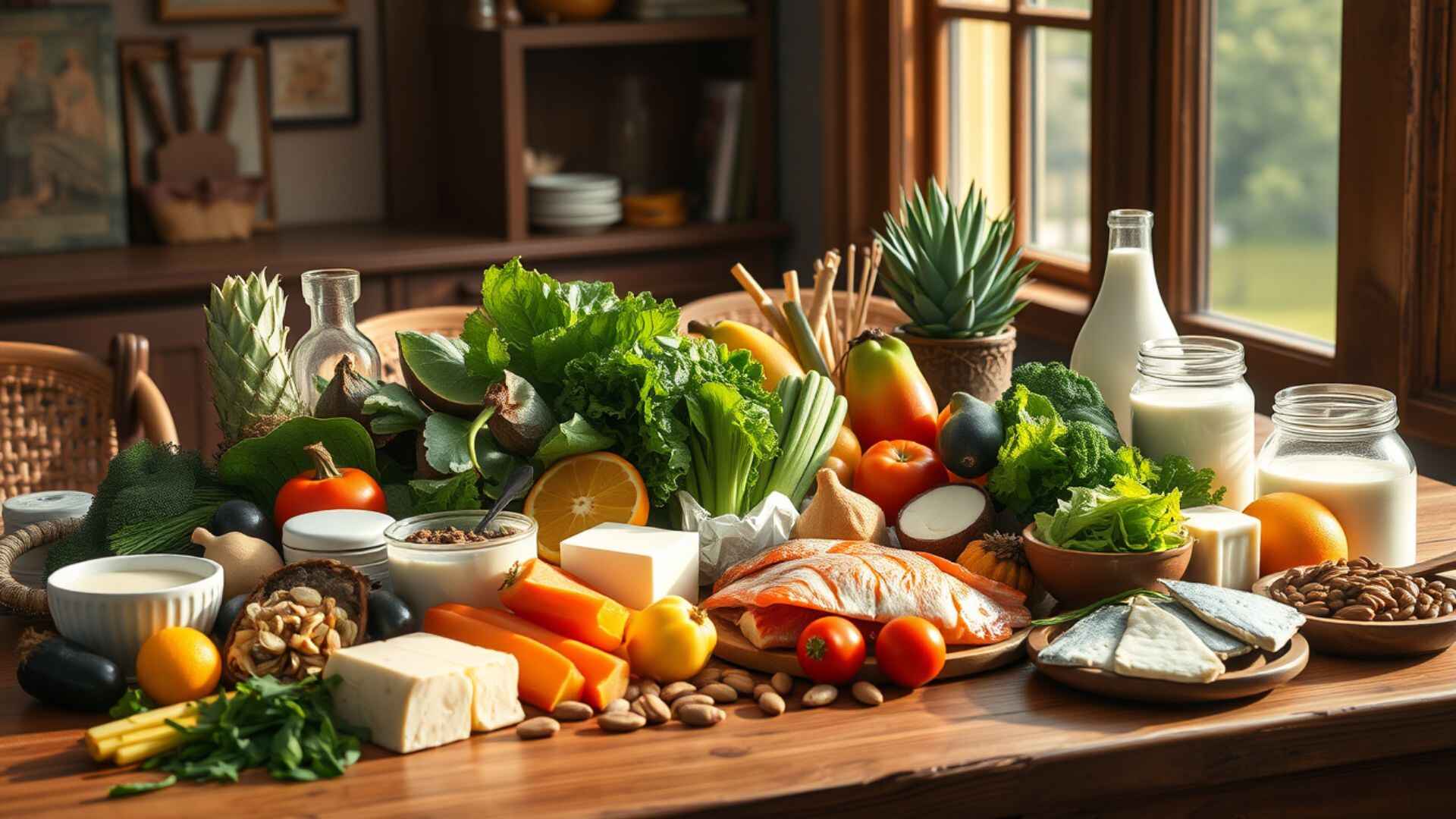
Dark green vegetables like kale and collard greens have lots of calcium, which is important for keeping your bones healthy and strong. One cup of cooked collard greens delivers about 25% of what you need daily. Plant-based? No problem. Fortified plant milks, tofu made with calcium sulfate, and almonds have got you covered.
B. Vitamin D: The Sunshine Connection
Calcium’s useless without vitamin D – they’re like that inseparable couple at parties. Your body needs vitamin D to actually absorb calcium.
The sun helps your skin make vitamin D naturally, but modern life (hello, office jobs and Netflix binges) means many of us aren’t getting enough.Spending just 10 to 15 minutes in the midday sun a few times each week helps your body make the vitamin D it needs. For those in northern climates or winter months, supplements might be necessary. Fatty fish, egg yolks, and mushrooms also contain small amounts.
C. Magnesium, Vitamin K, and Other Supporting Nutrients
Building strong bones isn’t a solo calcium show. Magnesium helps convert vitamin D into its active form and is found in nuts, seeds, and whole grains.
Vitamin K helps your body make proteins that keep your bones strong. You can find it in foods like broccoli, Brussels sprouts, and fermented items like natto. ,Potassium (bananas, sweet potatoes) and vitamin C (citrus, bell peppers) play supporting roles too.
D. Nutrient Absorption: Why It Matters as Much as Intake
You can eat perfectly and still miss out if your body can’t use what you’re giving it. Certain combinations boost absorption – like vitamin D with calcium, or vitamin C with plant-based iron.
What hurts absorption? Excessive caffeine, alcohol, and high-sodium diets can leach calcium from bones. Some medications (like certain antacids and antibiotics) can interfere with nutrient absorption too.
It’s better to eat calcium-rich foods at different times during the day instead of all at once. That’s because your body can only take in about 500 mg of calcium at one time. And weight-bearing exercise actually helps your body use calcium more effectively to strengthen bones.
4. Exercise Types That Strengthen Your Skeleton
A. Weight-Bearing Activities That Stimulate Bone Growth
Your bones crave impact. They actually get stronger when you put them under stress – it’s pretty amazing how that works.
Walking, jogging, dancing, hiking, tennis – all these activities force your bones to work against gravity. Each time your foot hits the ground, you’re sending tiny signals to your bone cells to build more bone tissue.
Tennis and basketball deserve special mention here. These sports involve quick direction changes and jumps that put beneficial stress on your bones from multiple angles. This kind of varied impact is bone-building gold.
If you’ve been avoiding high-impact workouts, you might want to reconsider. Those jumps and hops in HIIT classes? They’re bone-strengthening superstars. Even just adding 10-15 minutes of jumping jacks or skipping rope to your routine can make a massive difference.
B. Resistance Training: Building Muscle and Bone Simultaneously
Grab those weights! When you stress your muscles, you’re also stressing the bones they’re attached to.
Free weights, resistance bands, weight machines – they all count. The pulling force your muscles create during these exercises stimulates bone formation exactly where you need it most.
Squats, deadlifts, and lunges target the hip and spine – areas particularly vulnerable to bone loss later in life. At the same time, exercises like push-ups, rows, and shoulder presses make the bones in your upper body stronger.
Start with weights you can manage for 8-12 reps with good form. Then gradually increase as you get stronger. Your bones respond best to progressive challenge.
C. How Much Exercise Is Optimal for Bone Health
Quality trumps quantity here. You don’t need marathon sessions to build bone.
Try to do 30 minutes of exercises that put weight on your bones almost every day. Mix in resistance training 2-3 times weekly, focusing on all major muscle groups.
The magic happens with consistency. Your bones respond better to regular, moderate exercise than occasional intense workouts. Growing strong bones takes time, so keep going and don’t give up.
If you’re new to exercise, start small. Even 10 minutes daily makes a difference. The goal is creating a sustainable routine your future self will thank you for.
Your 20s are prime bone-building years. The healthy habits you build for your bones now will help you stay strong for many years. Don’t wait until you’re older – your skeleton needs attention now.

5. Lifestyle Factors That Silently Damage Your Bones
A. Hidden Effects of Alcohol and Caffeine Consumption
Think your daily coffee habit and weekend drinks are harmless? Your bones might disagree. That glass of wine or extra espresso could be silently weakening your skeleton when you’re in your 20s.
Alcohol interferes with your body’s calcium absorption – the building block your bones desperately need. Regular drinking also messes with hormone production that keeps bones strong. Just 2-3 drinks daily can increase fracture risk by up to 40%.
Caffeine isn’t innocent either. Your morning coffee acts as a diuretic, potentially flushing calcium out before your bones can use it. Studies show that each cup of coffee might cause your body to lose 6mg of calcium. Do the math if you’re drinking 3-4 cups daily.
The most dangerous part? Your bones don’t feel pain when they get weaker – only when they actually break.
B. Smoking’s Impact on Bone Cell Production
Still smoking in your 20s? Your bones are literally dying faster because of it. Cigarettes don’t just damage your lungs – they’re toxic to the specialized cells that build new bone tissue. Smoking restricts blood flow to your bones, starving them of oxygen and nutrients they need to regenerate.
The numbers are shocking: smokers can lose bone density up to three times faster than non-smokers. Women who smoke usually go through menopause sooner, which can cause their bones to weaken faster.
Even more concerning for twenty-somethings – smoking interferes with your ability to reach peak bone mass in the first place. This means you’re not just losing bone faster; you never built enough to begin with.
C. How Poor Sleep Undermines Bone Regeneration
Those all-nighters and irregular sleep schedules? They’re sabotaging your skeleton. Your bones actually do most of their repair work while you sleep. During deep sleep, your body sends out a growth hormone that makes your bones stronger. Cut those cycles short, and you’re literally preventing bone regeneration.
Research finds that people who usually sleep under 6 hours have weaker bones than those who get 8 hours or more of sleep. And quality matters as much as quantity – fragmented sleep prevents your body from completing the full bone repair cycle.
The worst part? This damage accumulates silently through your 20s – exactly when you should be building your strongest bone structure.
D. Stress Hormones and Their Effect on Bone Density
Long-term stress doesn’t just make you tired – it can also harm your bones.
When you’re constantly stressed, your body pumps out cortisol at levels that directly interfere with bone formation. This stress hormone blocks calcium absorption and reduces the production of bone-building cells.
Young adults with high stress levels show measurably lower bone density even in their 20s. And it creates a vicious cycle – as cortisol rises, it triggers inflammation that further accelerates bone breakdown.
What makes this particularly dangerous is that modern life normalizes chronic stress. That constant anxiety about work deadlines, relationships, and finances isn’t just mental pressure – it’s physically changing your bone structure, setting you up for fractures decades earlier than you’d expect.

6. Monitoring and Protecting Your Bone Health
A. When You Should Think About Getting a Bone Density Test in Your 20s
Many people believe that bone scans are only meant for older adults. Not always true. If you broke bones easily as a kid, have a family history of osteoporosis, or deal with conditions like celiac disease or inflammatory bowel disease, you might need testing sooner.
Women with irregular periods or eating disorders should definitely talk to their doctor about bone health. Taking certain medications long-term (like steroids or some seizure meds) can also mess with your bones.
The test itself? Quick and painless. The test is called a DEXA scan and it lasts just 10 to 15 minutes.
B. Warning Signs of Early Bone Issues
Your body sends signals when bone health declines. Pay attention if you notice:
• Frequent stress fractures
• Back pain that comes out of nowhere
• Losing height (yes, even in your 20s)
• Brittle fingernails
• Weak grip strength
• Gums pulling away from teeth
These aren’t just random issues – they’re your skeleton waving red flags at you.
C. Building Bone-Healthy Habits That Are Easy to Maintain
The trick to bone health isn’t complicated, it’s consistency. Make these part of your daily routine:
• Swap one coffee for calcium-rich alternatives like fortified plant milk
• Park farther away for those extra weight-bearing steps
• Try doing 10 jumping jacks as you brush your teeth for a quick bit of exercise.
• Include a small handful of almonds in your daily snacks to stay healthy.
• Keep your vitamin D pill by your toothbrush so you don’t forget to take it every day.
• Challenge friends to plank contests (seriously, try it)
These tiny tweaks add up dramatically over decades.
D. Tracking Progress: Simple Ways to Ensure You’re on the Right Path
You don’t need fancy equipment to know if your bone health plan is working. Track these simple indicators:
• Exercise consistency (a simple calendar works great)
• Dietary calcium intake using a basic food tracking app
• Vitamin D levels at your yearly checkup
• Improvement in strength exercises (can you hold that plank longer?)
• Height measurements annually
Take before/after photos of your posture every six months – this visual feedback is incredibly motivating when you see real improvement.
Remember, bone density builds slowly. The habits you form now literally shape your skeleton for decades to come.
Your 20s represent a critical window for bone health that shouldn’t be overlooked. This decade is your last chance to maximize bone density before the natural decline begins, making your current dietary, exercise, and lifestyle choices fundamental to your skeletal strength for decades to come. By prioritizing calcium and vitamin D intake, incorporating weight-bearing exercises, and avoiding harmful habits like smoking and excessive alcohol consumption, you’re investing in a future with reduced fracture risk. Don’t wait for symptoms to appear—bone health is built silently and preventively. Schedule regular check-ups, maintain healthy habits, and consider bone density screening if you have risk factors. The foundation you build today will determine your mobility, independence, and quality of life as you age. Your future self will be glad you took care of your bones when it was most important.
Latest Post
-

-

Low-Impact vs No-Impact: What People 40+ Should Know
November 29, 2025 -
Signs Your Body Can’t Handle High-Intensity Workouts
November 26, 2025 -

20-Minute Home Workout for Busy Professionals Over 40
November 23, 2025 -
Best Low-Impact Fat Loss Exercises for Adults 40–65
November 23, 2025 -
Why High-Intensity Workouts Are Dangerous After 40
November 23, 2025 -
Beginner’s Low-Impact Workout Plan for Adults Over 40
November 21, 2025 -
Acid Reflux and Natural Remedies
November 17, 2025 -

Fitness Over 40 & Chair Yoga Workouts as Remedy
November 13, 2025 -
Multivitamins for Thyroid Support in India
November 7, 2025
