
Why You Should Care About Bone Health in Your 30s
The Truth About Bone Health in Your 30s: Why You Should Start Caring Now
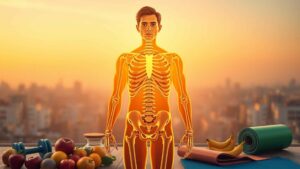
1. Beyond Calcium: Understanding Bone Strength
1.1. The Real Role of Bones
Your bones do far more than just hold your body together—they are dynamic structures that constantly renew themselves. They act as protective shields for vital organs, store essential minerals, and even produce blood cells within their marrow.
1.2. The Lifelong Process of Bone Remodeling
Bones are in a constant cycle of renewal, where old tissue breaks down and new tissue replaces it. This process ensures durability and repair. As we grow older, the natural regeneration of bone tissue gradually declines, making bones more susceptible to loss and weakening over time.
1.3. Key Nutrients for Stronger Bones
Although calcium is important, your bones require a mix of nutrients. Vitamin D enhances the body’s ability to absorb calcium, ensuring it reaches the bones effectively, while vitamin K supports the process of bone-building by activating essential proteins.
Minerals like magnesium and potassium also contribute to bone density and strength.
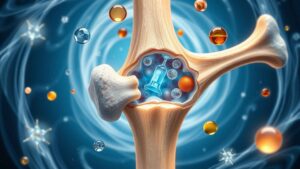
2. Why Your 30s Matter for Bone Health
2.1. The Importance of Peak Bone Mass
In your 30s, your bones have reached their peak strength and density, providing a solid foundation for long-term skeletal health.
The amount of bone you build when you’re young affects how strong your bones will stay as you get older. After this point, bone loss gradually accelerates, making it crucial to take preventive measures.
2.2. The Gradual Decline in Bone Density
After achieving its highest bone mass, the skeletal system gradually begins to experience a decline in density over time.
While this process is inevitable, poor nutrition and inactivity can speed it up.
2.3. Investing in Long-Term Strength
Your 30s provide an opportunity to build habits that support bone health. The decisions you make now regarding your lifestyle can significantly influence your future mobility and ability to live independently.

3. Simple Yet Effective Lifestyle Habits for Stronger Bones
3.1. Nutrition: Fueling Your Skeleton
s, Eating a well-balanced diet packed with calcium, vitamin D, and vital nutrients helps maintain strong and resilient bones.. Dairy, leafy greennuts, and fish should be regular staples in your meals.
3.2. Exercise: Your Best Weapon Against Bone Loss
Physical activity is crucial for maintaining bone strength. Weight-bearing exercises like running, jumping, and resistance training stimulate bone growth and slow deterioration.
3.3. Managing Stress and Sleep for Healthier Bones
High stress levels and sleep deprivation can weaken bones over time. Prioritizing mental wellness and getting enough rest helps your bones repair and rebuild efficiently.
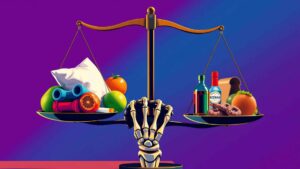
4. Everyday Risks That Weaken Your Bones
4.1. Sedentary Habits and Bone Decline
Spending too much time sitting can weaken bones, making them more prone to fractures. Regular movement is necessary to maintain skeletal strength.
4.2. Smoking and Alcohol: How They Impact Bone Density
Smoking disrupts bone formation, while excessive alcohol interferes with calcium absorption. Reducing these behaviors can greatly improve overall bone strength and long-term skeletal health.
4.3. The Influence of Hormonal Changes on Bone Strength
Hormonal fluctuations—whether due to pregnancy, medical conditions, or aging—can affect bone density. Understanding these changes and taking preventive steps is essential.
5. Practical Steps for Lifelong Bone Strength
5.1. Eating Smart for Bone Support
Consuming a diet rich in calcium, vitamin D, and magnesium helps fortify bones, enhancing their strength and durability over time.
5.2. Exercise Strategies That Maintain Density
Incorporating weight-bearing activities into your routine helps preserve bone strength and reduce the risk of fractures.
5.3. Regular Health Check-Ups and Screenings
While bone density scans may not be necessary in your 30s, discussing your bone health with a doctor ensures early detection of potential risks.

6. Why Prioritizing Bone Health Pays Off in the Long Run
6.1. Osteoporosis Prevention
Taking care of your bones early significantly reduces the risk of osteoporosis, ensuring fewer fractures and better overall mobility in later years.
6.2. Staying Active and Independent
A strong skeletal system supports movement, balance, and independence well into old age.
6.3. A Holistic Approach to Health
Bone health plays a role in overall well-being, improving posture, reducing injury risk, and even contributing to better mental health.
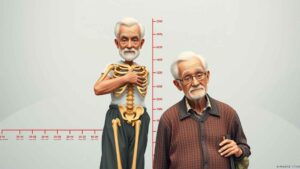
7. Common Myths About Bone Health—Debunked
7.1. Do You Really Need Calcium Supplements?
Not everyone needs supplements—getting calcium through a balanced diet is often enough.
7.2. Pregnancy and Bone Strength
Pregnancy doesn’t necessarily weaken bones. With proper nutrition, many women maintain strong skeletal health during and after pregnancy.
7.3. Who Should Get Bone Density Tests?
Bone scans are often associated with older adults, but those with risk factors may benefit from early screening.
Final Thoughts
Your 30s present an opportunity to take proactive steps for lifelong bone health. Making small but meaningful changes today ensures stronger bones, better mobility, and a healthier future.
FAQs
-When does Bone density gradually begins to decrease?
After attaining its highest bone density, the body gradually starts experiencing a natural decline, usually beginning around the age of 30.
– Can bone density be improved after 30?
Yes! Through proper diet, regular exercise, and healthy habits, you can strengthen your bones even as you age.
– How regularly should you assess your bone density to maintain optimal skeletal health?
Routine checks aren’t always necessary in your 30s, but those with risk factors should consult a doctor.
– Which foods are best for bone health?
Leafy greens, dairy products, fish, and nuts all support healthy bones.
– Do medications affect bone density?
Certain drugs, such as long-term corticosteroids, can weaken bones. It’s always best to consult with your healthcare provider regarding potential risks.
Latest Post
-
-

Low-Impact vs No-Impact: What People 40+ Should Know
November 29, 2025 -
Signs Your Body Can’t Handle High-Intensity Workouts
November 26, 2025 -

20-Minute Home Workout for Busy Professionals Over 40
November 23, 2025 -
Best Low-Impact Fat Loss Exercises for Adults 40–65
November 23, 2025 -
Why High-Intensity Workouts Are Dangerous After 40
November 23, 2025 -
Beginner’s Low-Impact Workout Plan for Adults Over 40
November 21, 2025 -
Acid Reflux and Natural Remedies
November 17, 2025 -

Fitness Over 40 & Chair Yoga Workouts as Remedy
November 13, 2025 -
Multivitamins for Thyroid Support in India
November 7, 2025
